Discover
Jan 15, 2026
You pick up a specialty coffee bag and see "anaerobic fermentation with notes of blueberry and jasmine." You wonder: Am I supposed to taste those things? Here's the truth—your experience is valid, and you don't need anyone's permission to taste what you taste.
At Grano, we believe coffee flavor language shouldn't feel intimidating. It should feel like discovery.
What Flavor Notes Really Are
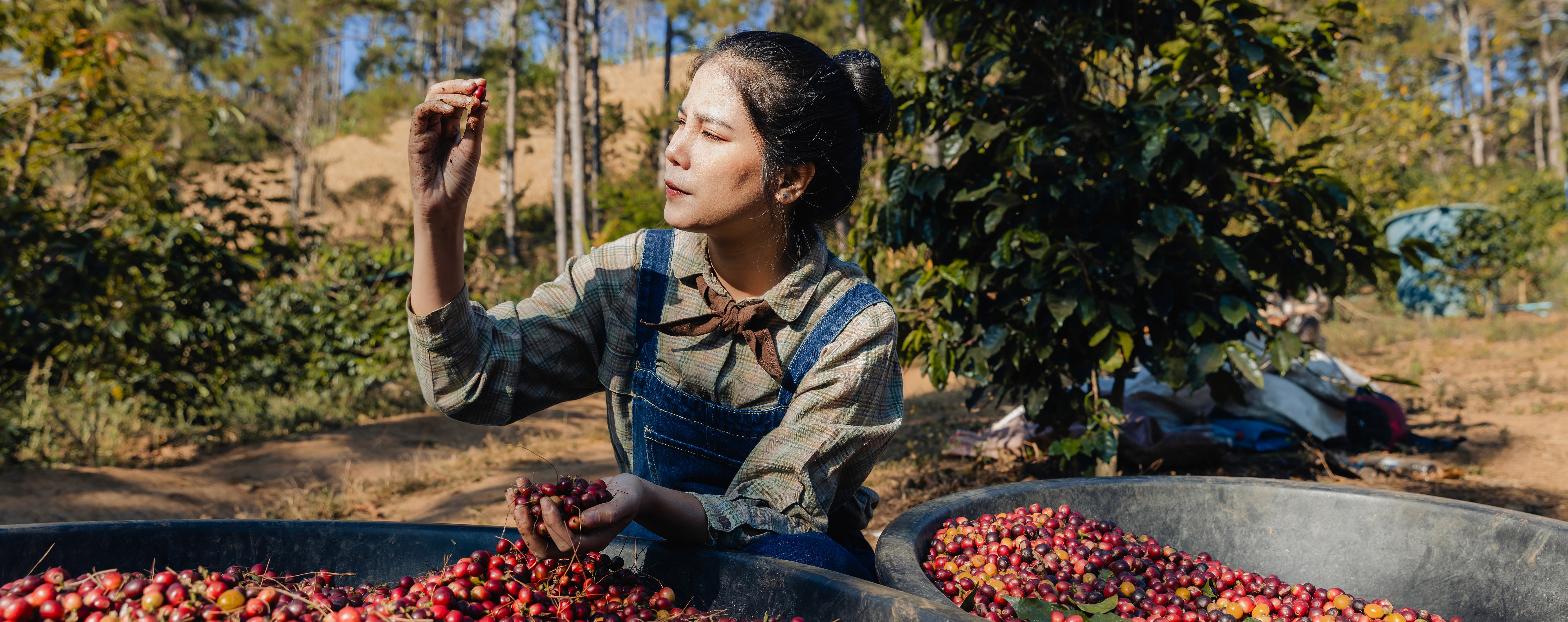
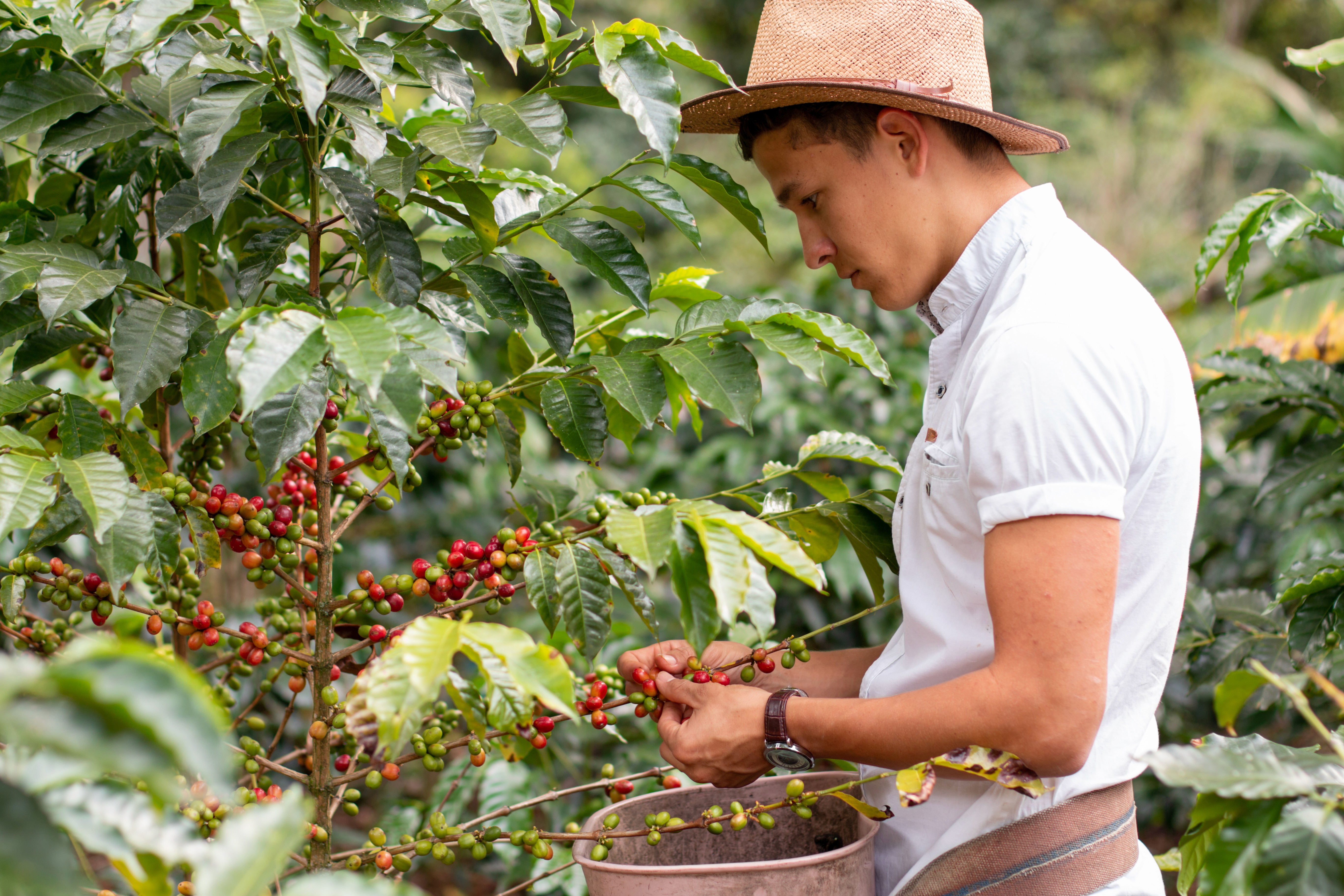
Flavor notes aren't secret codes. They're simply descriptions of flavors naturally present in your coffee—created by where the coffee grew, how it was processed, and how dark it was roasted.
Think of tasting notes as clues, not rules. Your experience is entirely valid even if it differs from printed descriptions. Coffee perception is deeply personal, influenced by your sensory memory and background.
The Science Behind Coffee Tasting
The Specialty Coffee Association's Coffee Taster's Flavor Wheel emerged from 100+ hours of research at Kansas State University. But here's what matters: this wheel is descriptive, not prescriptive. It provides language for what you're experiencing—nothing more.
Grano's Simplified Approach
We use emoji-based flavor tags because accessibility matters:
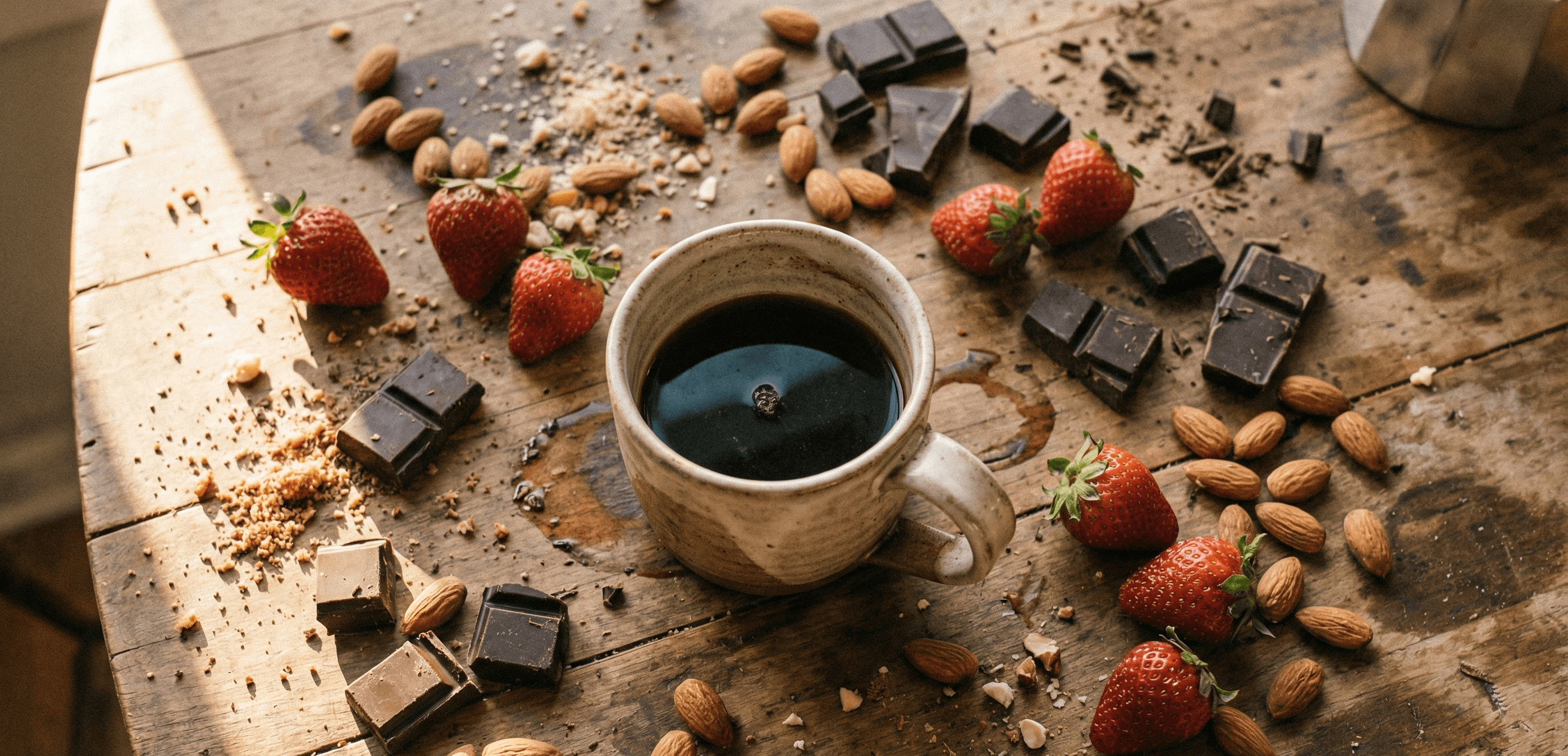
🍓 Berry – Blueberry, strawberry, raspberry
🍫 Chocolate – Dark chocolate, milk chocolate, cocoa
🥜 Nutty – Almond, hazelnut, walnut
🌸 Floral – Jasmine, rose, lavender
🍊 Citrus – Lemon, orange, grapefruit
🍒 Stone Fruit – Peach, apricot, plum
🌿 Herbal – Cedar, tobacco, grass
🍯 Caramel – Brown sugar, toffee, maple
Each emoji is an entry point. Explore deeper if you want—but you never have to. The goal is confidence in what you taste, not matching someone else's descriptor.
How to Taste Coffee Intentionally
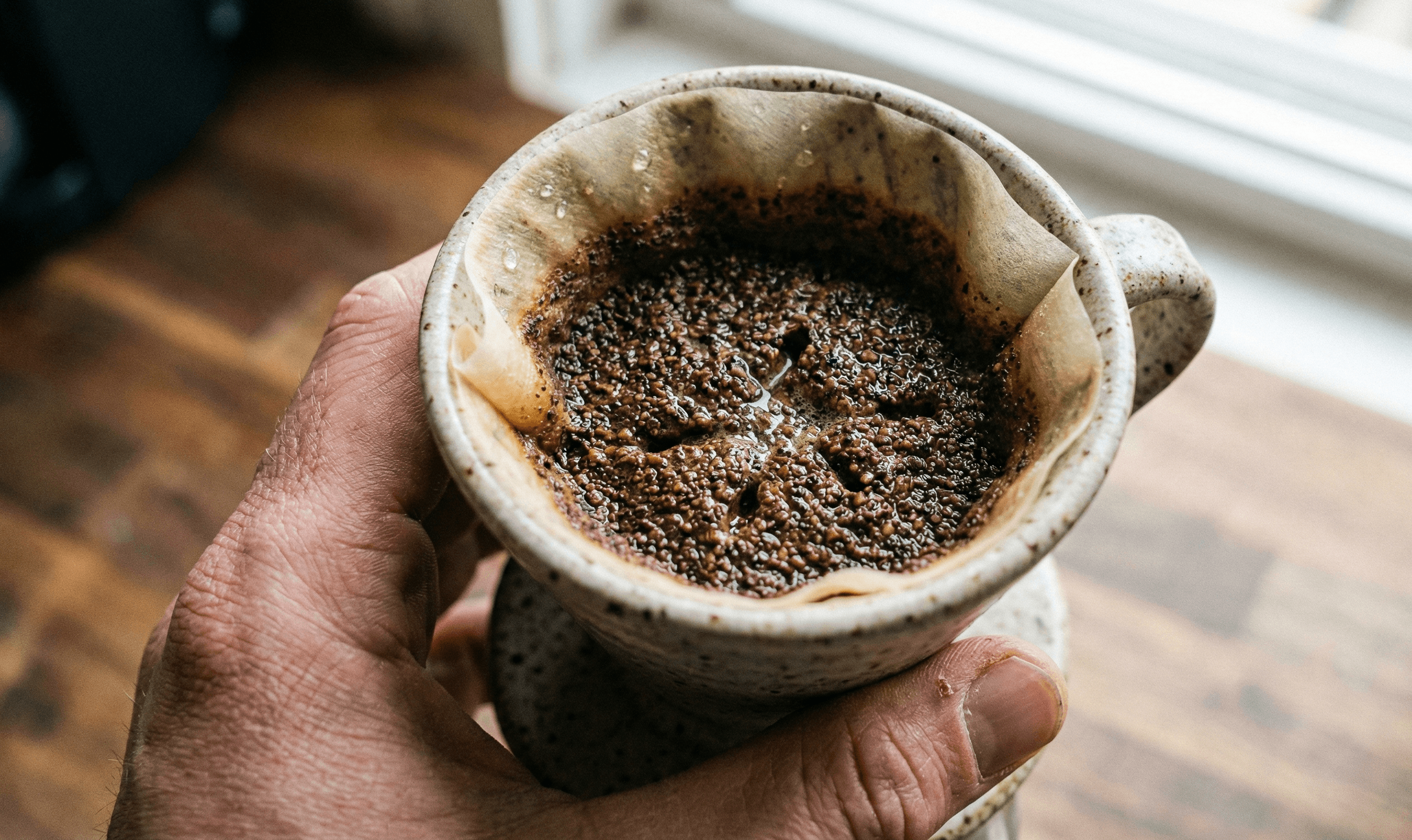
Step 1: Smell the Dry Grounds – What comes to mind? Don't censor yourself. That's valid sensory data.
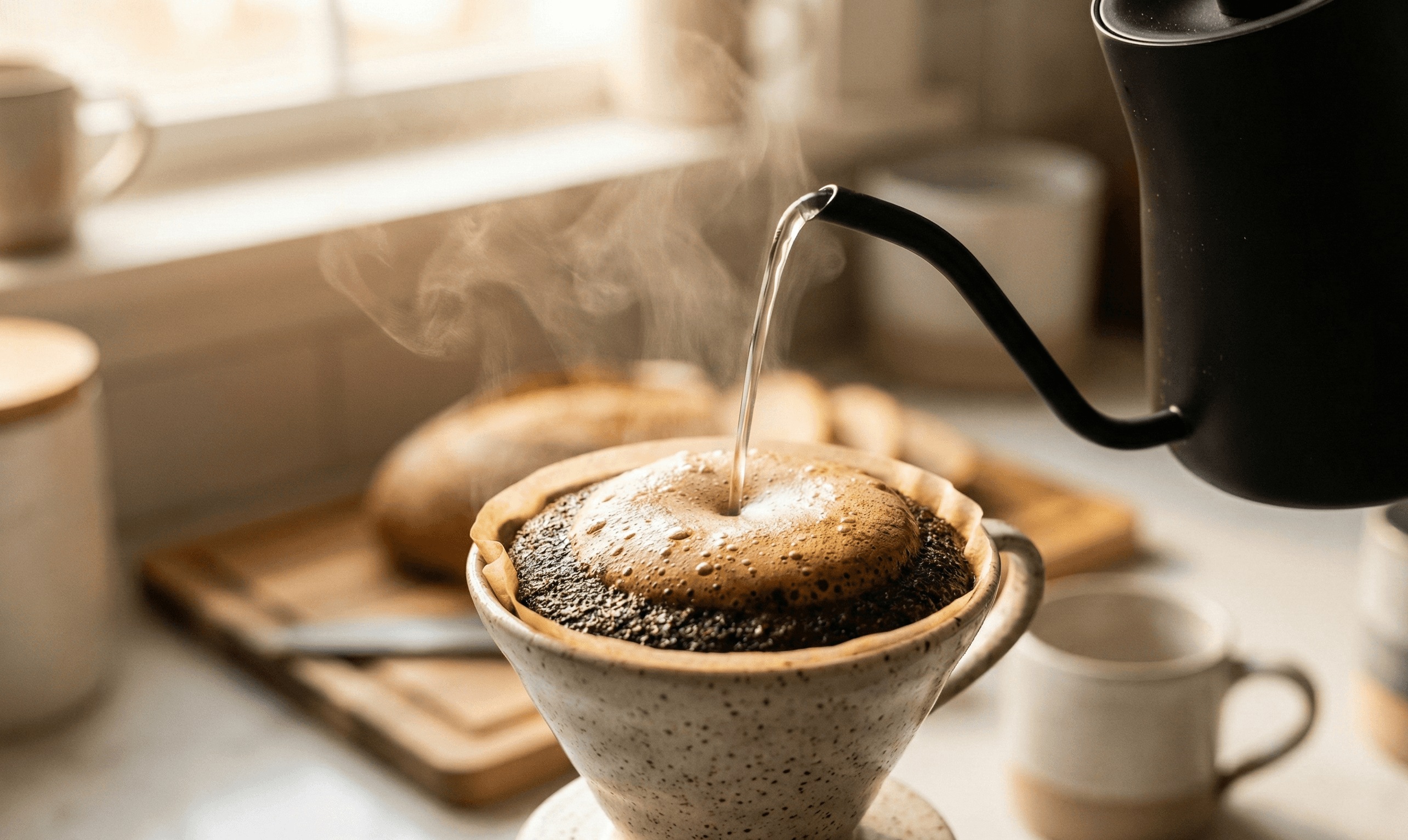
Step 2: Smell the Brewed Coffee – Hot water releases new aromas. Notice the shift.
Step 3: Taste with Intention – Small sips, let it coat your mouth for 2-3 seconds. Ask: bright or smooth? Light or heavy?
Step 4: Notice the Finish – What lingers after you swallow? This reveals as much as the initial flavor.
Build Your Own Flavor Library
Taste a coffee described as "blueberry"? Eat a fresh blueberry beforehand. Your brain makes the connection. Can't taste "jasmine"? Smell jasmine tea. Can't identify "almond"? Eat one mindfully.
Your palate learns through experience, not memorization.
Why This Matters
Understanding flavor notes isn't about impressing anyone. It's about discovering what you genuinely love. When you realize you're consistently drawn to "fruity and floral" coffees, you've discovered a pathway to coffees you'll actually enjoy.
More importantly, when you can articulate what you taste, you honor the roaster's work. You deepen your own appreciation. You participate in a community built on genuine experience, not gatekeeping.
The Grano Difference
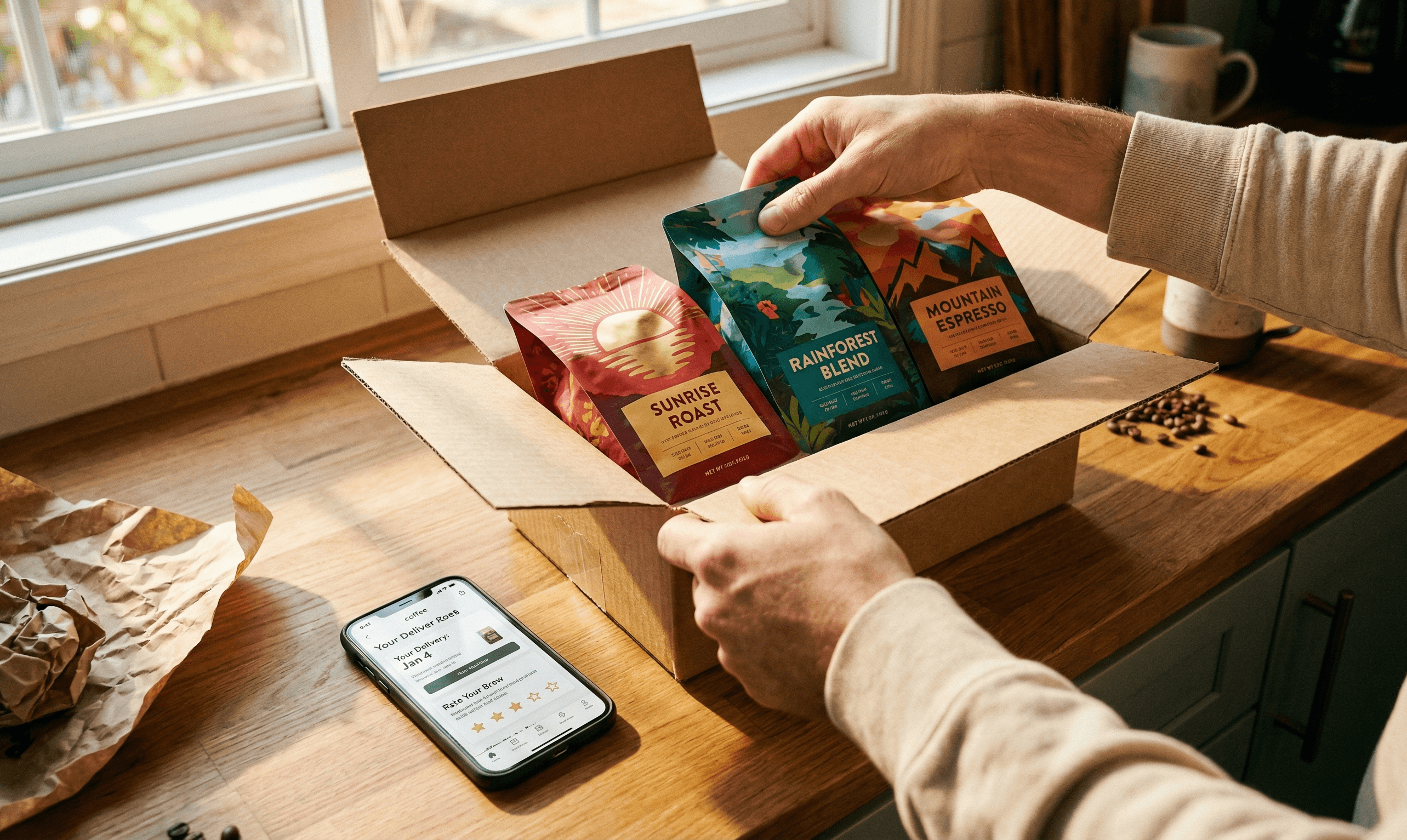
At Grano, every coffee you log gets tagged with simplified flavor groups. As you rate what you love, our system learns your preferences transparently. Over time, we suggest coffees aligned with your actual taste—not what you think you should like.
This is Discover in action: building confidence, learning to trust your palate, finding community with others who taste the world the same way you do.
Ready to decode your own palate? Start logging your tastings in Grano.