Connect
Feb 22, 2026
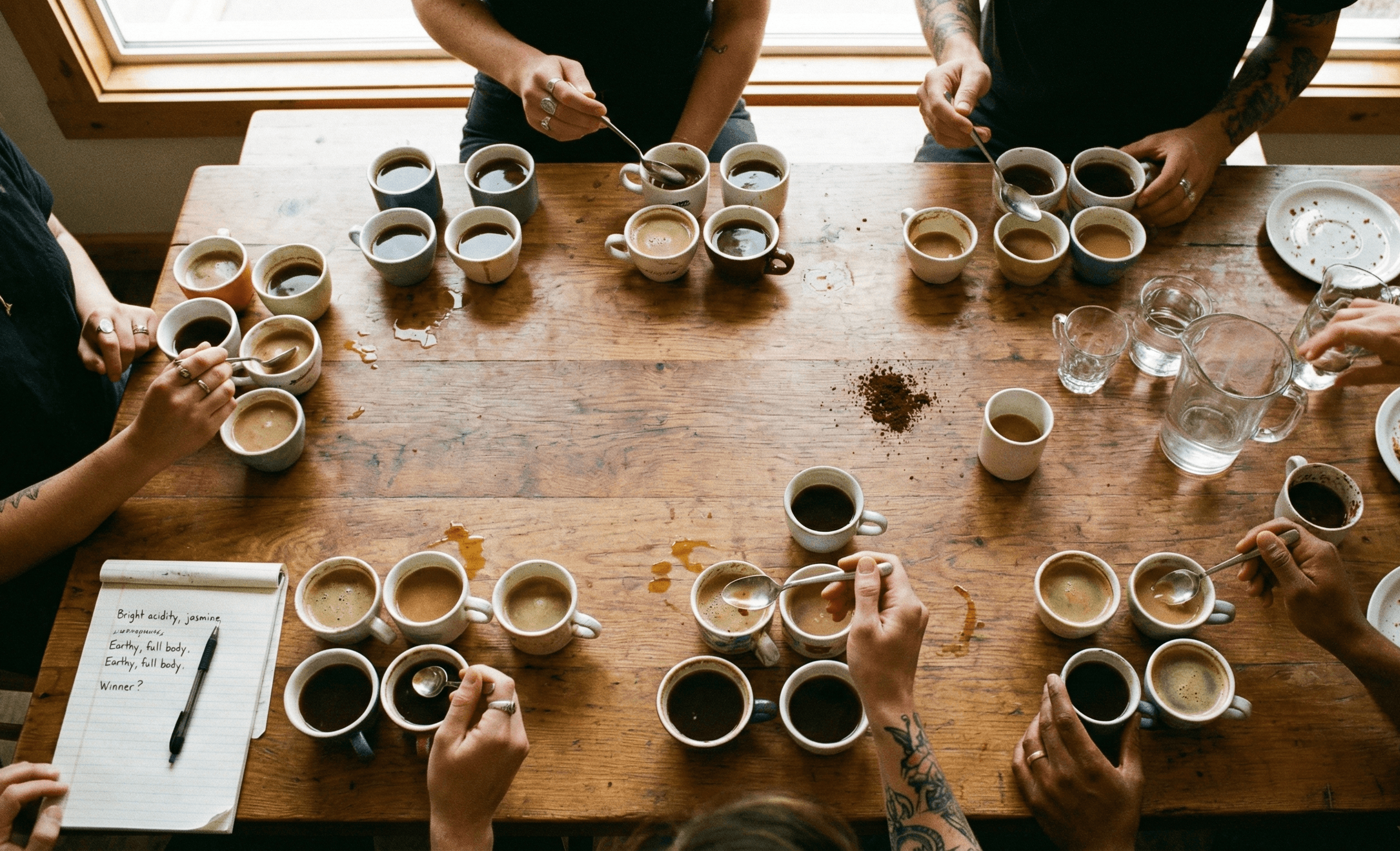
A coffee tasting party isn't a test of expertise. It's an invitation to slow down, taste intentionally, and discover what you and your friends love together. The best tastings feel like conversations, not lectures. They center on connection, not credentials.
Before Your Friends Arrive
Choose Your Coffees (And Their Stories)
The Sweet Spot: 3-5 different coffees. More than that, palates get tired. Fewer, and there's no real discovery.
The Mix:
Include variety in processing (washed, natural, or honey-processed)
Include different origins (African, Latin American, maybe Asian)
Include different roast levels if you want to teach how roasting influences flavor
Pro Tip: Choose coffees you're genuinely excited about. Your curiosity is contagious. Enthusiasm is the real seasoning.
The Story Angle:
Where does each coffee come from?
Why did you choose it?
What makes it special?
Write these down as short stories, not essays.
Gather Simple Equipment
The Essentials:
A burr grinder
Hot water kettle and water at 200°F
Small cups (espresso cups work)
A brewing method (pour-over, French press, immersion jar)
Small spoons for everyone
Paper and pens for notes (optional—gauge your crowd)
Optional but Nice:
Water for palate cleansing
Neutral crackers
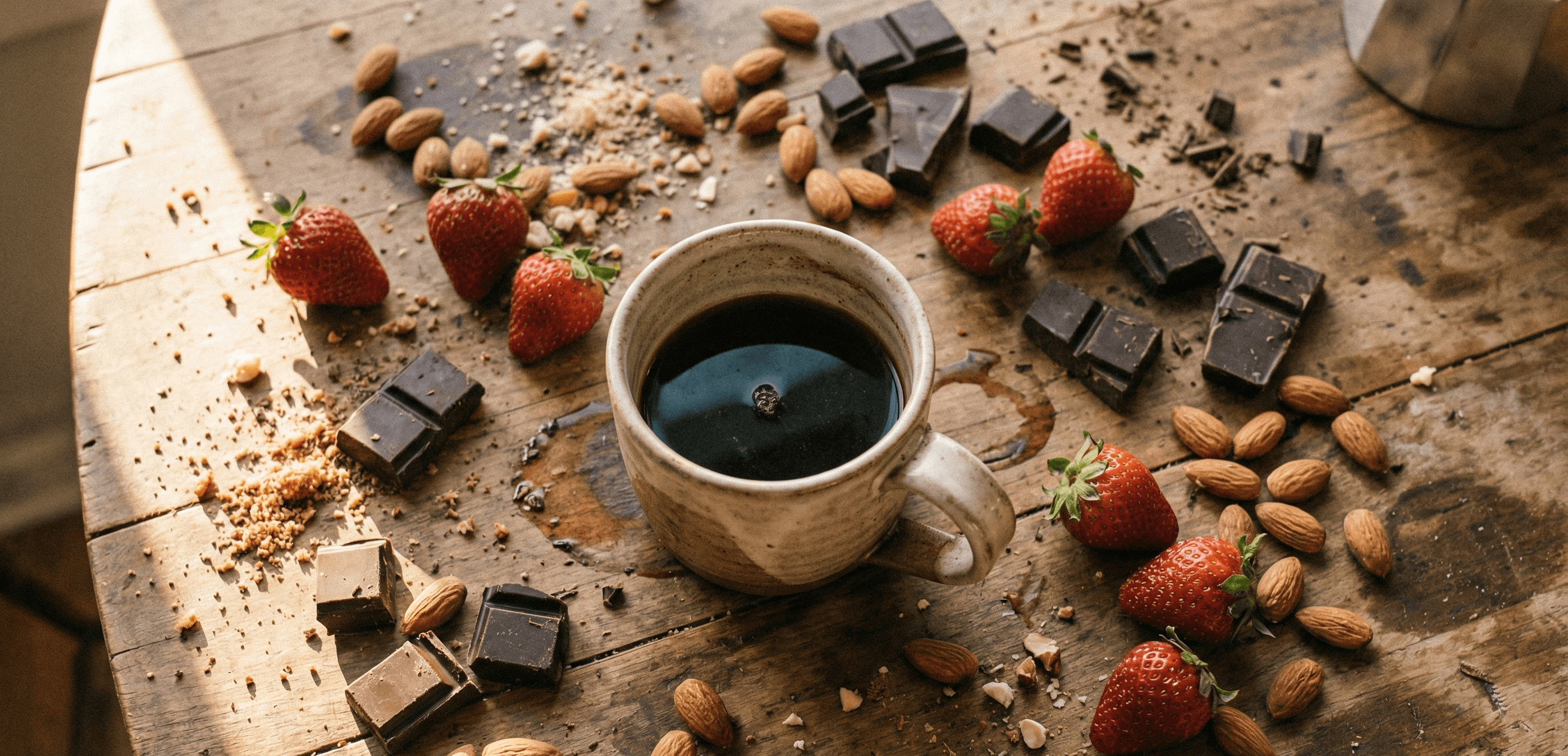
Small piece of fruit or chocolate
Set the Scene
Lighting: Warm, natural light. If evening, use soft lamps.
Seating: Comfortable, close enough to talk, clear view of each coffee.
Atmosphere: Soft music in background (not silence—too formal). Keep vibe relaxed.
Temperature: Your space should be comfortable. Cold hands create tension.
Smell Prep: Avoid strong scents. Fresh air is best.
During the Tasting
The Structure (Keep It Simple)
Phase 1: Introduce & Set Expectations (2 minutes)
"We're exploring three coffees from different origins and processing methods. We're not grading. We're discovering. There's no wrong answer about what you taste."
Phase 2: Smell First (1 minute per coffee)
Hand around the dry beans. Let people smell. Ask open questions: "What comes to mind? Fruity? Sweet? Earthy?"
No correcting. If someone smells chocolate and you smell berry, both are valid.
Phase 3: Brew & Cool (5 minutes)
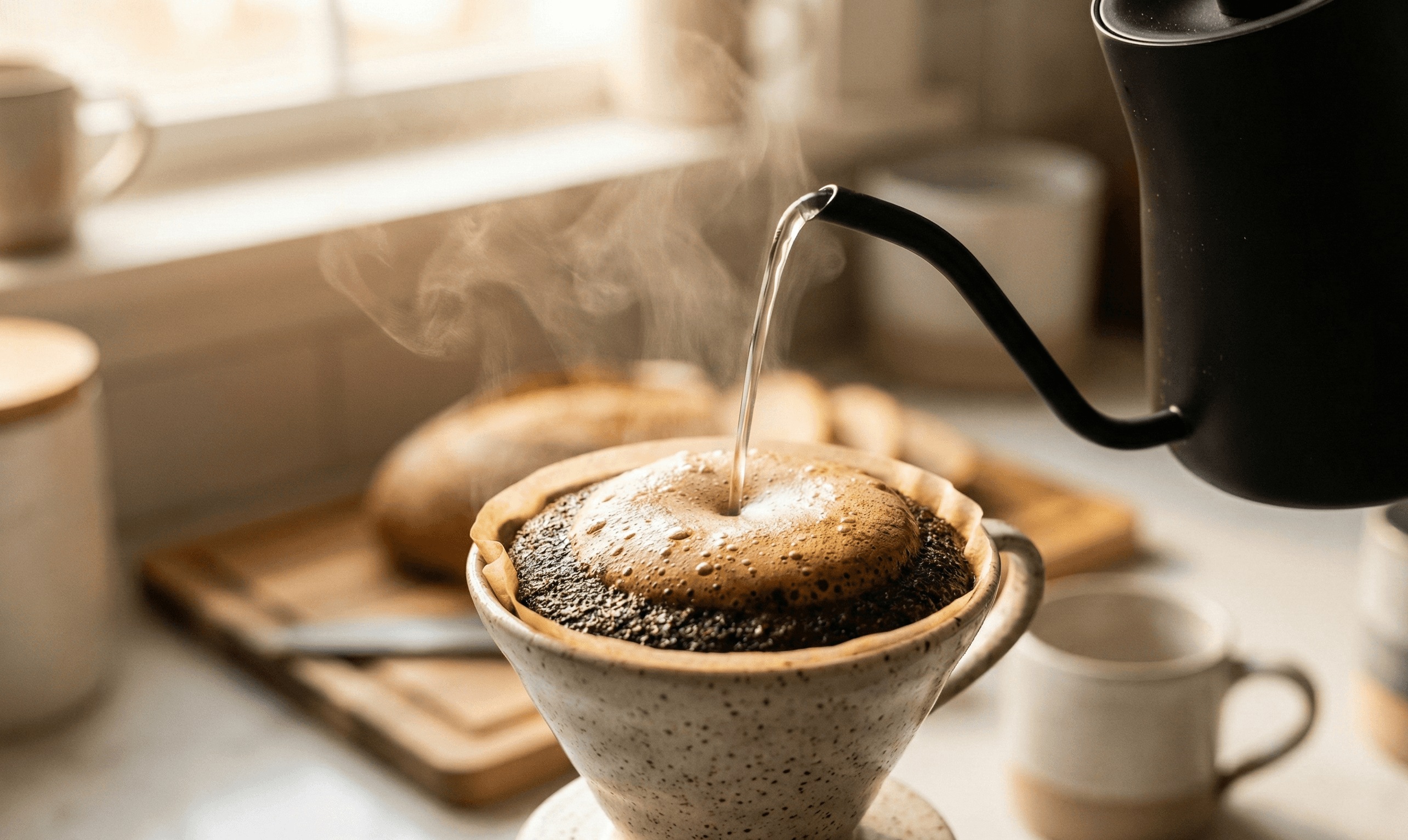
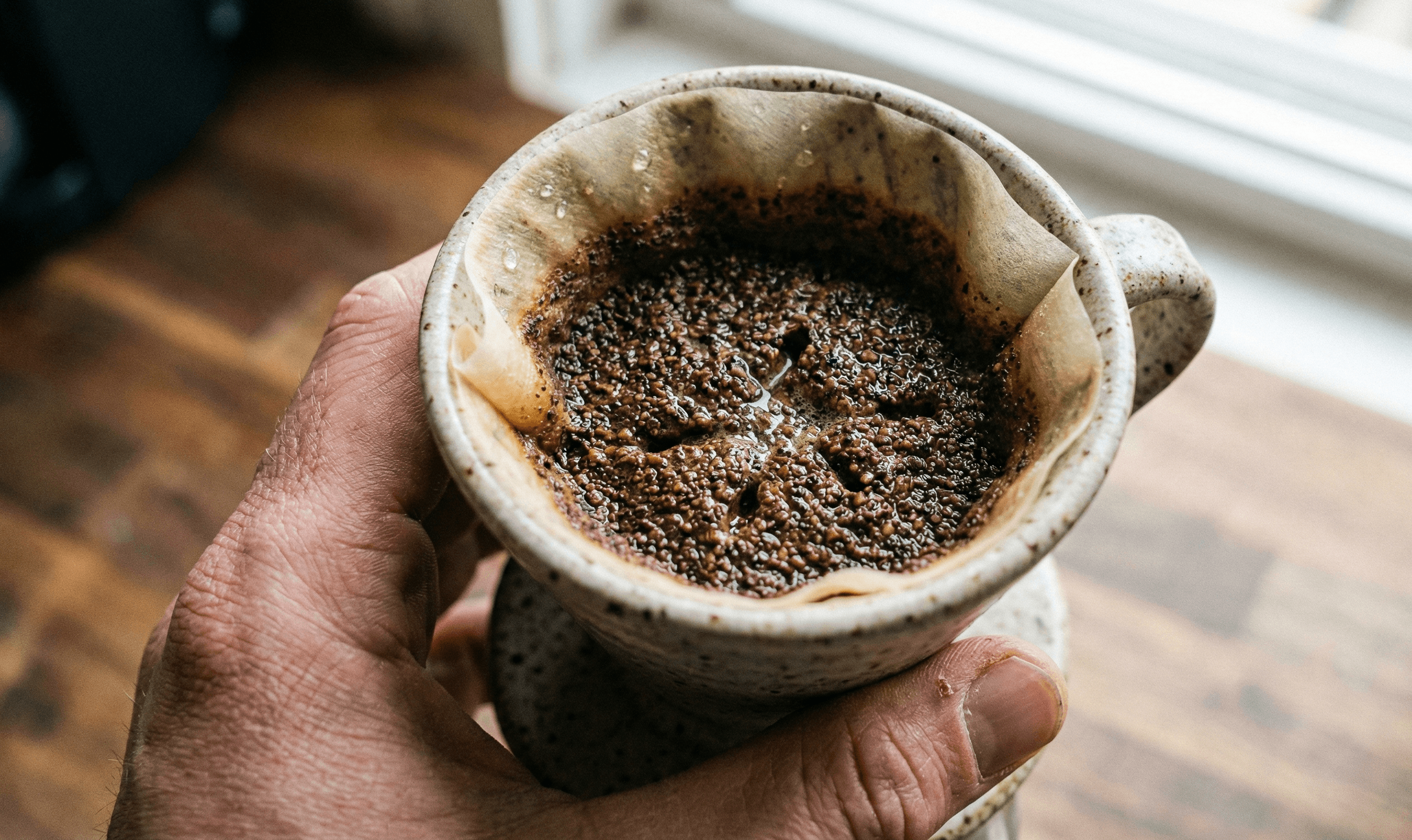
Brew one coffee at a time while everyone waits. Brew it intentionally and visibly—let the ritual be part of the experience.
Phase 4: Smell the Brewed Coffee (30 seconds)
"Does it smell different now that it's hot? Brighter? More intense?"
Phase 5: Taste (1-2 minutes)
Encourage small sips. Suggest: "Notice the flavor. Is it bright or smooth? Do you taste fruit, chocolate, nuts, flowers?"
Silence is okay while people taste. Then open it up: "What did you notice?"
Phase 6: Compare (1 minute)
"This one is fruitier than the last one, right? Why do you think?"
Phase 7: Palate Cleanser (1 minute)
Water, a cracker, or tiny fruit. Reset before the next coffee.
The Flavor Guide (Simple and Accessible)
Don't pull out the full SCA wheel. Use simple categories:
🍓 Fruity → berries, stone fruit, citrus
🍫 Chocolate → dark chocolate, milk chocolate, cocoa
🥜 Nutty → almonds, hazelnuts, peanuts
🌸 Floral → jasmine, rose, lavender
🍯 Caramel/Sweet → honey, brown sugar, maple
🌿 Herbal/Earthy → cedar, tobacco, moss
✨ Clean/Bright → crisp, refreshing, sharp
💪 Bodied → heavy, velvety, smooth
The Guideline: "You're not trying to be accurate. You're noticing what you taste."
A Fun Game (Optional)
Blind Tasting: Cover the labels. Let guests taste and guess which is washed vs. natural, light vs. dark. Fun and educational.
Scoring: Ask everyone to rank their favorite to least favorite. Sparks conversation.
After Everyone Leaves
Send friends home with a small thank-you (tasting note sheet, coupon, or written list). Ask them: "Did you find a favorite? Want more tastings?"
Log your own experience in Grano—what worked, what your friends loved, what you learned.
Why This Matters
A coffee tasting is more than tasting. It's connection. It's saying, "I care about this experience enough to invite you into it." It's building community around something you love, without gatekeeping.
Your friends don't need expertise before they arrive. They just need curiosity. The rest unfolds naturally over small sips, good conversation, and warmth.
The best tastings are those where people feel welcomed and heard, not judged.
Your role is host and guide, not expert. That's the ritual worth repeating. That's what builds coffee community that's open, warm, and genuinely inclusive.