Discover
Apr 19, 2026
When someone says a coffee tastes like "blueberry," you might taste it and think "I don't taste blueberry at all." The problem isn't you—it's that your sensory vocabulary hasn't developed yet. Building a personal flavor vocabulary is how you transition from "this tastes good" to "this tastes like blueberry with jasmine undertones and a caramel finish." It's not pretentious. It's literally learning to taste.
How Flavor Vocabulary Actually Works
Your brain learns through association. When you taste coffee and someone says "this has blueberry notes," your brain makes a connection. Over time, your sensory neurons strengthen that connection until you can recognize blueberry independently.
This isn't mystical. It's the same way you learned what "sweet," "salty," and "bitter" mean. You experienced salt, associated it with that taste, and now salt is recognizable. Coffee tasting is the same process with more complexity.
The Science: Your taste receptors detect five basic tastes: sweet, salty, sour, bitter, and umami. Your olfactory system detects thousands of compounds. When you taste coffee, your brain combines taste and smell data, creating the experience you call "flavor."
When you don't know what "blueberry" tastes like in coffee, it's because you haven't made the association yet. The solution is deliberate sensory exposure.
Building Your Vocabulary: Three Proven Methods
Method 1: Direct Comparison Tasting
What it is: Tasting coffee side-by-side with actual flavor reference samples.
How to do it:
Taste a coffee described as "blueberry"
Then eat a fresh blueberry (or frozen, thawed)
Smell it, taste a tiny bit
Pay attention to the texture, sweetness, tartness
Return to the coffee
Notice the similarity—not identical, but there's a connection
Why it works: Your brain now associates the coffee taste with actual blueberry flavor. Next time you taste blueberry-forward coffee, you'll recognize it.
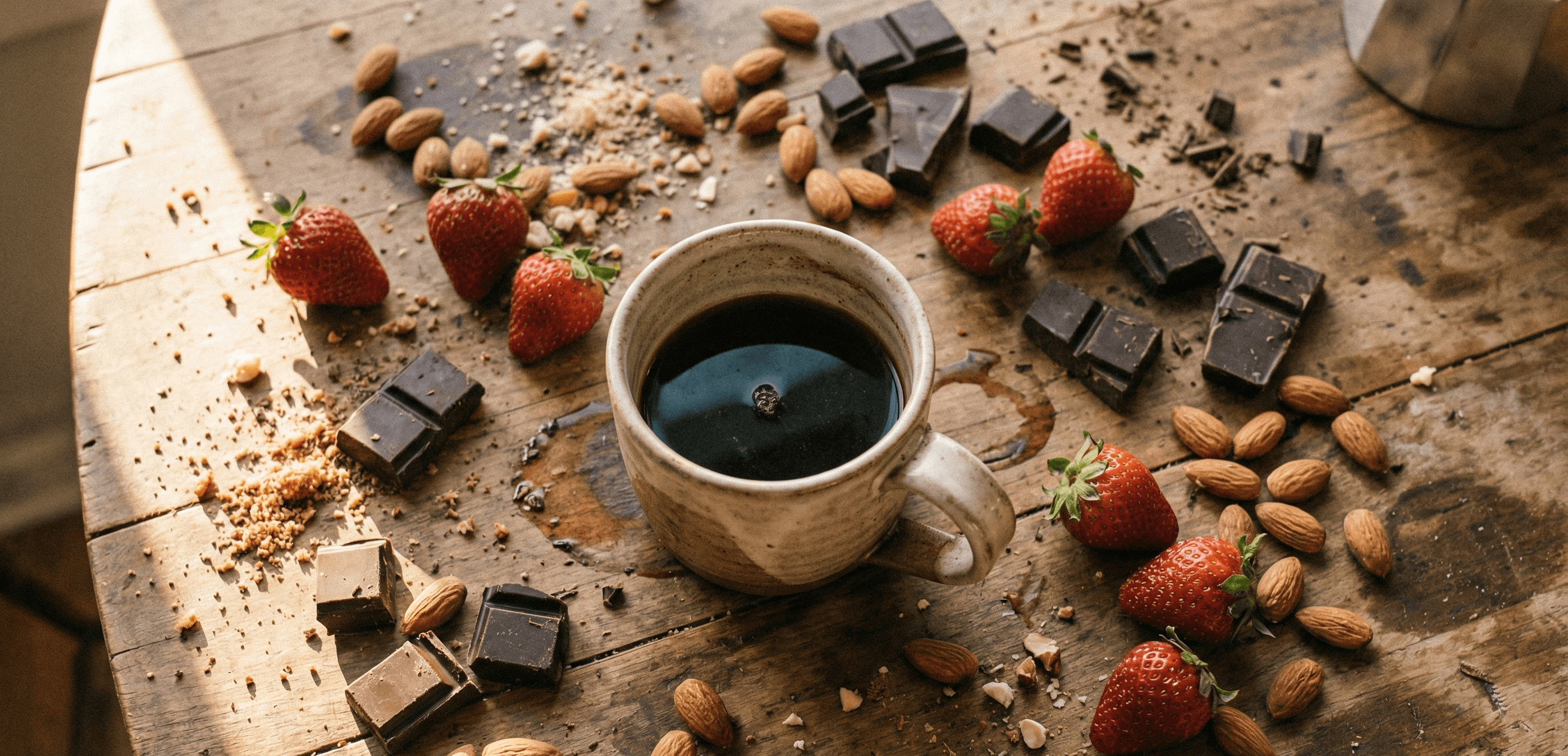
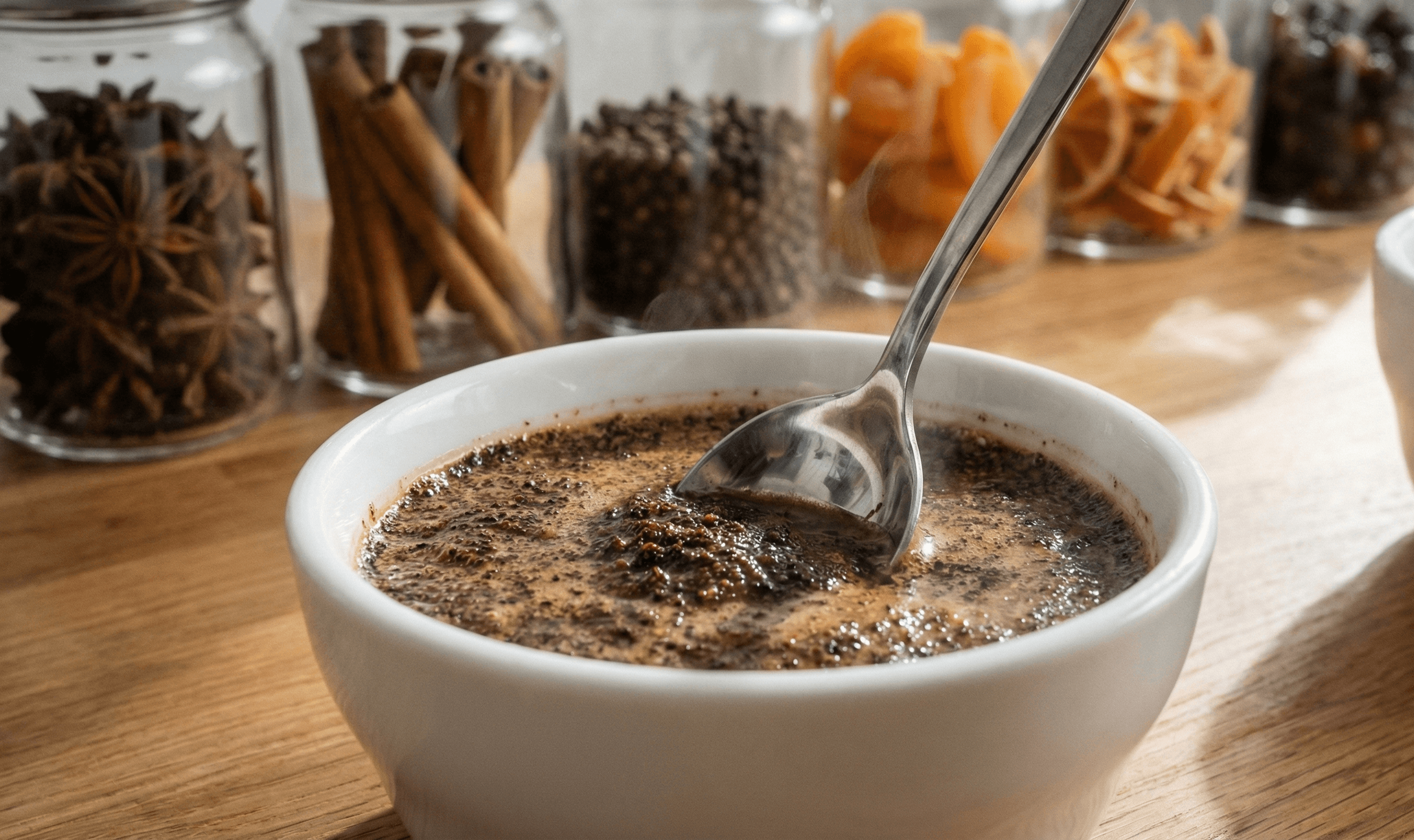
At home, use:
Fresh or frozen berries
Dried fruit
Spices
Flowers (jasmine tea for jasmine notes)
Chocolate
Nuts
Caramel candies
Make tasting a game. Before tasting a coffee, taste the reference flavors intentionally. Really pay attention. Then taste the coffee. The association sticks.
Method 2: Comparative Tasting (Coffee vs. Coffee)
What it is: Tasting two different coffees side-by-side and describing their differences.
How to do it:
Brew two coffees using the same method and timing
Taste coffee A
Taste coffee B
Go back to coffee A
Describe the difference
Example:
Coffee A: "This is bright, almost acidic. I taste fruit—maybe citrus?"
Coffee B: "This is smoother, heavier. More chocolate than fruit."
Comparison: "A is fruitier and brighter. B is heavier and more chocolate-forward."
Why it works: Comparing two things forces you to notice differences you'd miss tasting one at a time. Your brain highlights contrasts.
The benefit: Over time, you build a mental database of flavor profiles. You recognize when a coffee is fruity because you've tasted enough fruity coffees.
Method 3: Journaling and Repetition
What it is: Writing down what you taste after each cup, then reviewing your notes.
How to do it:
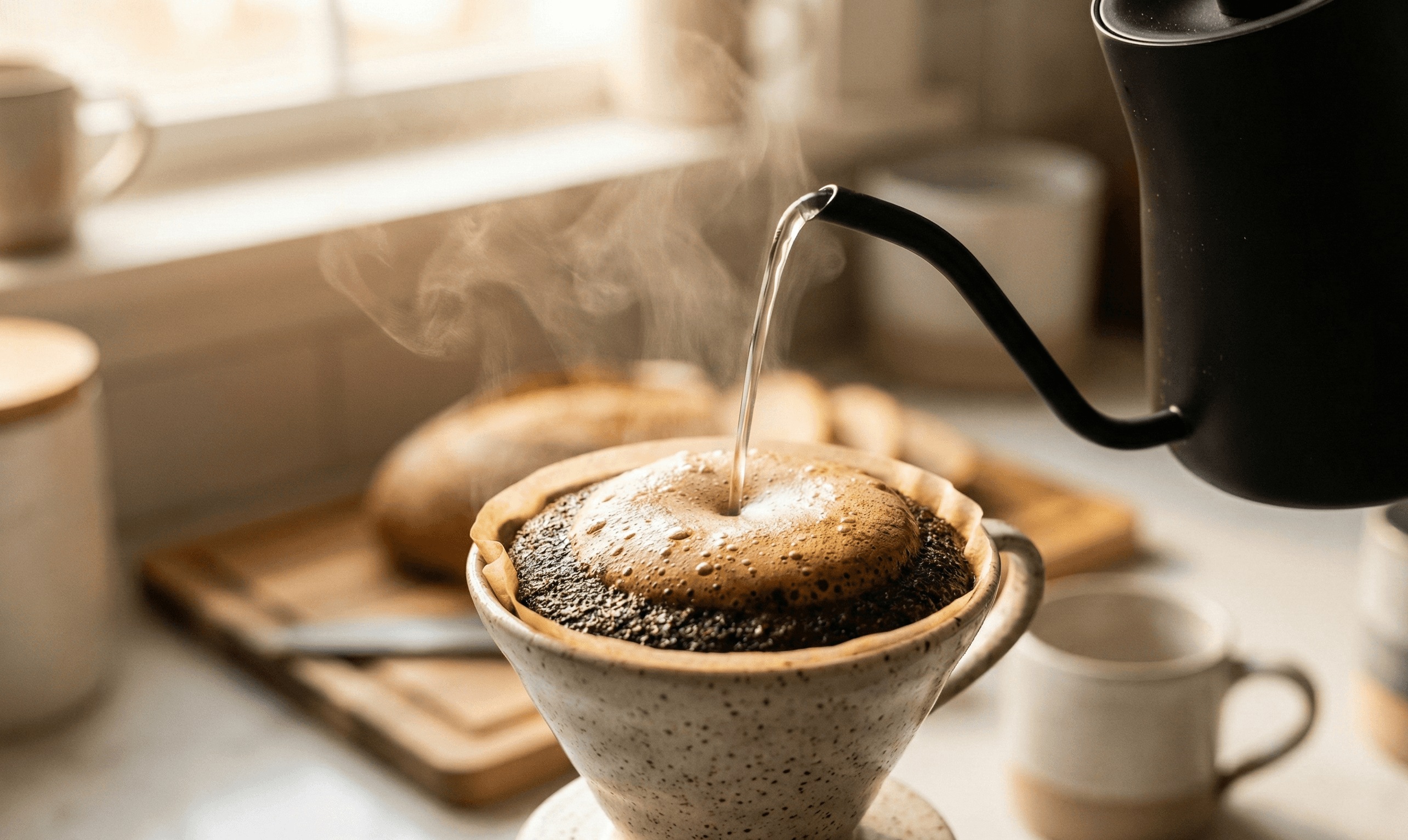
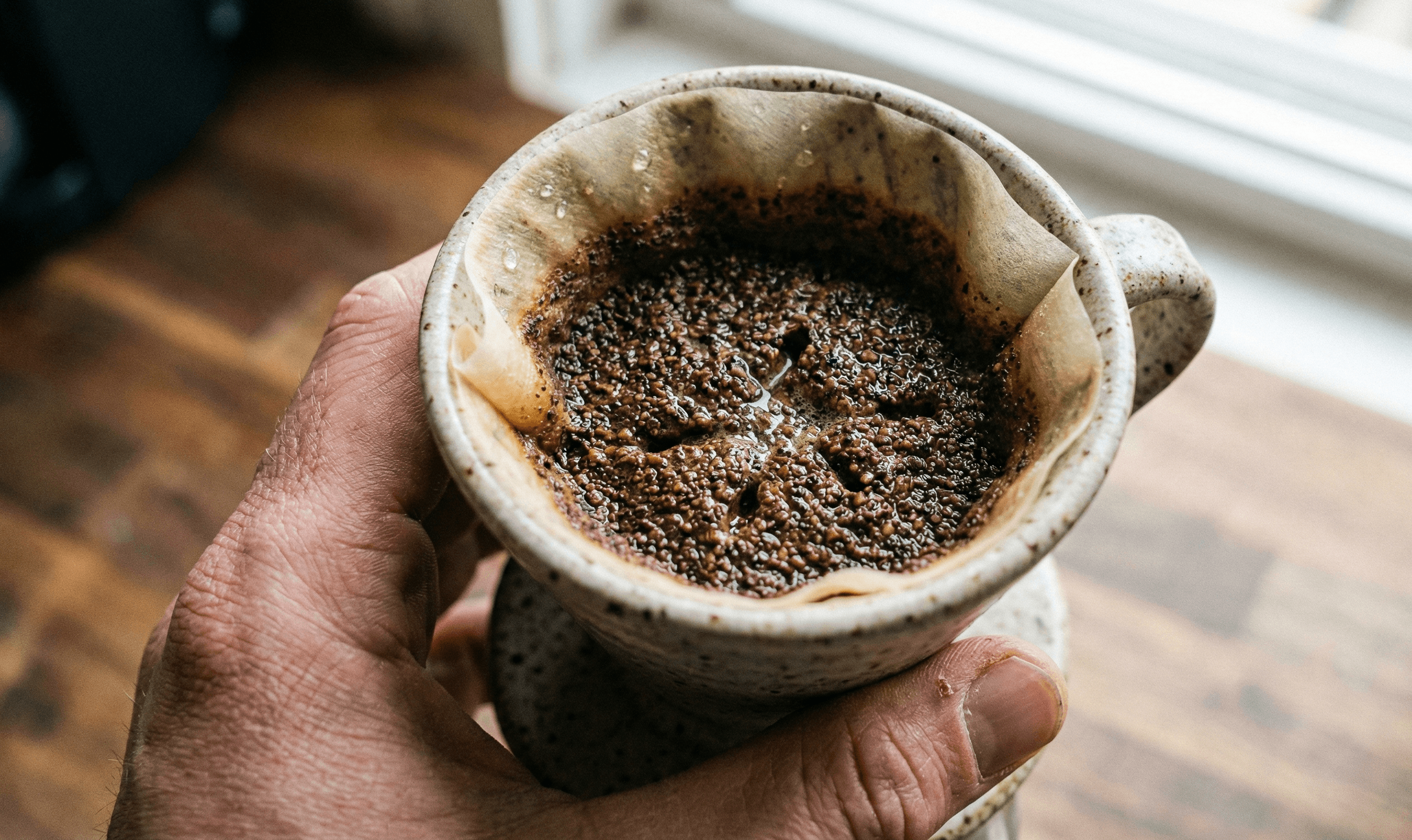
Taste a coffee intentionally (brew carefully)
Write 3-4 sentences: What do you smell? What's the first flavor? What lingers?
The next day or week, taste the same coffee again
Review your previous notes before tasting
See if your vocabulary deepens on the second tasting
Sample entry:
Date: April 15, 2026
Coffee: Ethiopian Yirgacheffe, washed
Aroma: Floral, something fruity maybe. Reminds me of chamomile tea.
Taste: Bright! Very acidic. Blueberry maybe? And something floral like the aroma. Light-bodied, tea-like.
Finish: Clean. Leaves my mouth feeling fresh.
Second tasting (April 22):
Aroma: Yes, definitely floral. And now I notice something green underneath—like fresh-cut grass?
Taste: Same bright acidity. The blueberry is clearer now. Also tasting something like peach? And yes, jasmine.
Finish: Still clean and refreshing.
Why it works: Your palate develops through repetition. The second tasting of the same coffee will taste more detailed than the first. Writing forces you to articulate what you're experiencing, strengthening those neural pathways.
The Flavor Framework: A Simplified System
Instead of memorizing the full 110-point SCA wheel, start with this simplified framework:
Basic Sensations (Start Here):
Sweet or dry?
Bright (acidic) or mellow?
Light-bodied or full-bodied?
Clean or complex?
Broad Categories (Build Out):
Fruity? (berries, stone fruit, citrus, tropical)
Chocolate/Cocoa?
Nutty? (almonds, hazelnuts, peanuts)
Floral? (jasmine, rose, lavender)
Caramel/Sweet?
Herbal/Earthy? (grass, cedar, spices)
Advanced Details (When Ready):
Specific fruit types (blueberry vs. blackberry vs. strawberry)
Specific spices (cinnamon vs. cardamom vs. clove)
Texture details (velvety vs. crisp vs. silky)
Finish qualities (lingering vs. clean, sweet vs. dry)
The approach: Start with broad categories. Over months, refine into specifics. Don't rush. Your palate develops at its own pace.
Common Flavor Associations by Origin
As you build vocabulary, these patterns will emerge:
Ethiopian Coffees:
Washed: floral, fruity, jasmine, tea-like, bright
Natural: blueberry, fruity, herbal, sometimes funky
Kenyan Coffees:
Blackcurrant, citrus, wine-like, bold, bright
Colombian Coffees:
Chocolate, caramel, nutty, apple-like, balanced
Central American Coffees:
Honey sweetness, citrus, balanced, clean, approachable
These aren't rules. They're patterns. Once you know the patterns, you develop expectations that either confirm or surprise you—and surprises help you learn.
Practical Tips for Vocabulary Development
1. Taste Intentionally
Don't multitask while tasting. Sit down, focus, notice what's happening. Attention matters.
2. Use Your Nose First
80% of what we call "taste" is actually smell. A good aroma often predicts flavor.
3. Let Coffee Cool
As coffee cools, different flavor compounds become prominent. Taste it hot, warm, and cool. Notice how flavor evolves.
4. Be Patient
Palate development takes months, not weeks. Your vocabulary will deepen over time. That "I can't taste that" flavor will suddenly become obvious.
5. Compare with Others
Taste coffee with friends. Hear how they describe it. You'll pick up language and associations from other palates.
6. Trust Your Experience
If a coffee tastes like apple to you but someone else tastes citrus, you're both right. Flavor perception is subjective. Your experience is valid.
Logging Your Journey in Grano
Many Grano users find that logging tasting notes over weeks and months reveals patterns. You'll start noticing:
"I consistently describe Ethiopian naturals as fruity"
"I prefer caramel and chocolate notes over floral notes"
"I like bright acidity but not too much"
These patterns are your palate signature. Once you understand them, subscriptions and recommendations become much more effective because you know what you actually like.
The Real Goal
Building flavor vocabulary isn't about impressing people. It's about deepening your relationship with coffee. When you can identify and name flavors, you taste more carefully. You appreciate complexity. You discover nuance you'd miss if everything just tasted "good" or "bad."
That depth of experience—the ability to taste a coffee and recognize blueberry, jasmine, and caramel layered together—is what transforms coffee from a daily habit into a genuine craft. And that transformation happens through practice, attention, and a willingness to learn.
Your palate is worth developing. Your taste is worth trusting. Start paying attention, and watch how your world of coffee opens up.