Explore
Mar 15, 2026
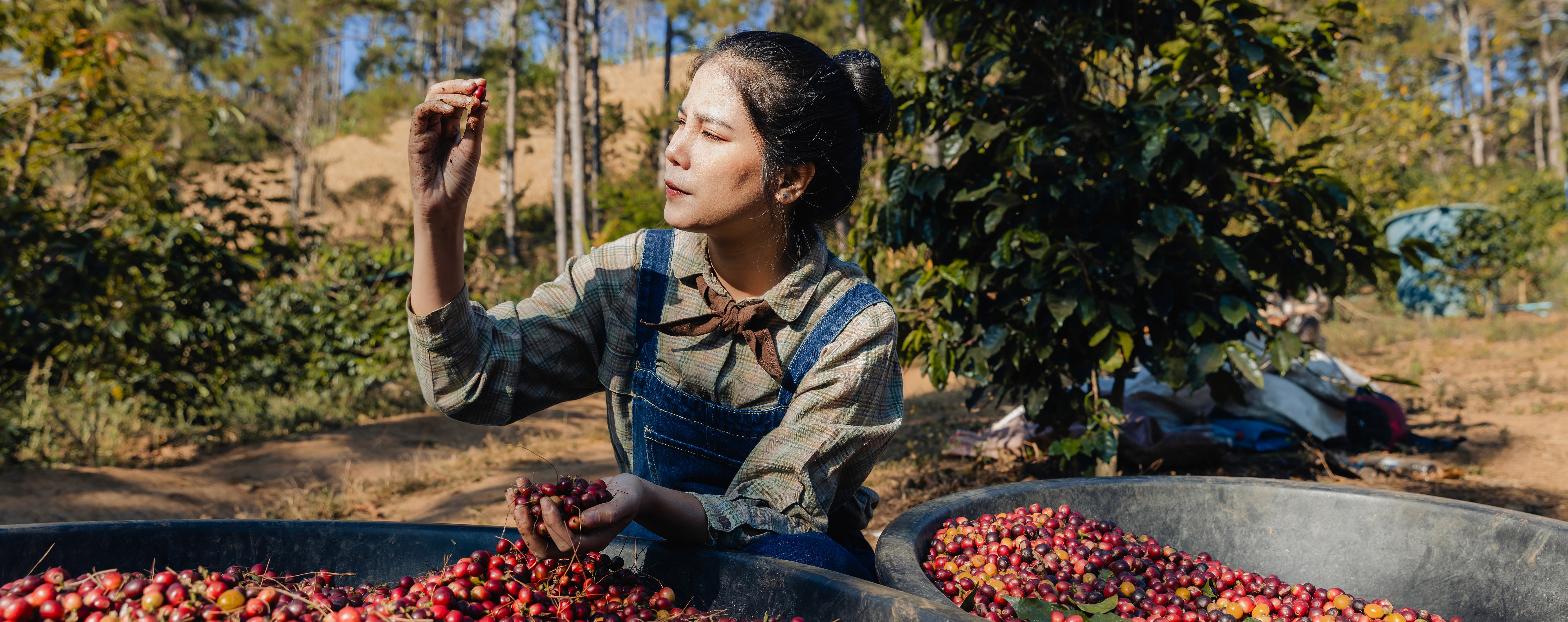
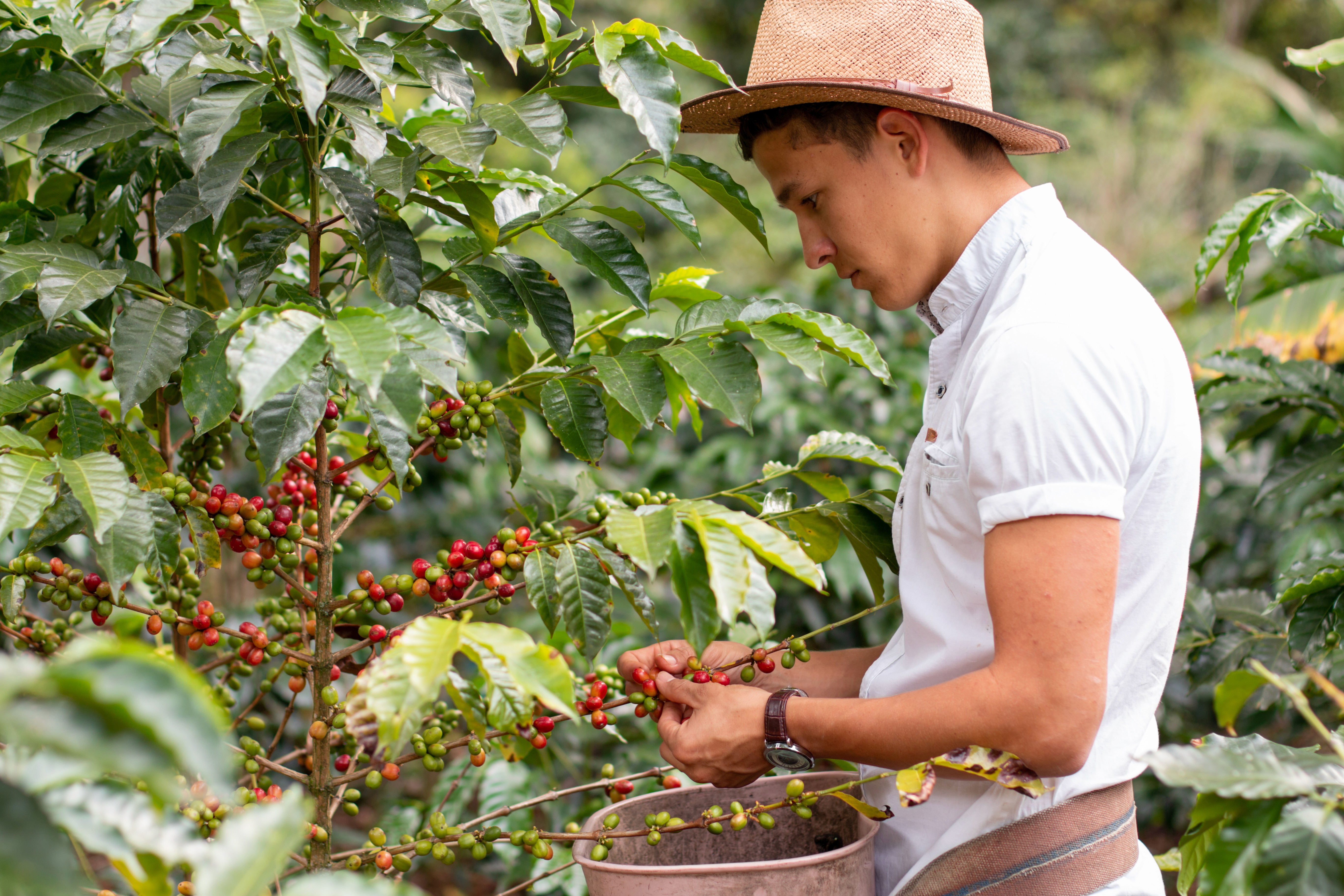
Terroir is a word borrowed from wine culture, but it's equally crucial to understanding coffee. It means "a sense of place"—the complete package of environmental factors that shape flavor. Two coffee plants from different mountains will produce completely different beans, even if they're the same varietal and processed identically. Geography is destiny in coffee, and learning to taste it transforms your appreciation.
What Exactly Is Coffee Terroir?
Coffee terroir encompasses six primary factors:
Altitude: Higher elevations (1,200-2,200 meters) mean cooler temperatures and slower cherry maturation. Slower maturation = more complex sugars developing = more nuanced, interesting flavors.
Soil Composition: Volcanic soil (rich in minerals) produces different flavor profiles than sandy or clay soil. Mineral content literally transfers to the bean.
Climate: Seasonal rainfall patterns, humidity, and average temperature influence how the plant grows and how the cherry ripens.
Varietal: The genetic makeup of the coffee plant (Bourbon, Typica, Geisha, etc.). Some varieties naturally produce fruity flavors; others are nutty or floral.
Processing Method: As you've learned, washed vs. natural processing creates massive flavor differences.
Farming Practices: Shade-grown vs. sun-grown, organic vs. conventional—these choices affect flavor.
All these factors interact. A light-roasted, washed Ethiopian from high altitude tastes completely different from a light-roasted, washed Colombian from lower altitude.
Reading the Map: How Geography Creates Flavor Regions
East Africa: Floral, Fruity, Tea-Like
Ethiopia (The Birthplace of Coffee)
Altitude: 1,800-2,200m
Climate: Mild, consistent; two rainy seasons
Soil: Volcanic, mineral-rich
Typical Flavors: Berry, floral, jasmine, blueberry, wine-like
Character: Light-bodied, bright acidity, delicate aromatics
Ethiopian coffee is revered because the country's high altitude and volcanic soil create naturally complex flavor profiles.
Kenya
Altitude: 1,400-2,000m
Climate: Tropical highland, two harvest seasons
Soil: Volcanic, nutrient-dense
Typical Flavors: Blackcurrant, citrus, wine-like, sometimes floral
Character: Medium-bodied, phosphoric acidity, bold aromatics
Kenyan coffees are known for their boldness and distinctiveness.
Latin America: Balanced, Nutty, Caramel-Sweet
Colombia
Altitude: 1,200-2,000m
Climate: Consistent year-round
Soil: Volcanic, well-draining
Typical Flavors: Chocolate, caramel, nutty, apple-like acidity, sometimes floral
Character: Medium-bodied, balanced, sweet, reliable
Colombian coffee is the world's most popular specialty coffee because of its balance and consistency.
Central America (Costa Rica, Guatemala, Honduras)
Altitude: 1,200-1,700m
Climate: Tropical, distinct wet and dry seasons
Soil: Volcanic (Costa Rica), limestone (Guatemala)
Typical Flavors: Honey sweetness, citrus brightness, sometimes chocolate
Character: Clean, bright, honey-forward
Asia-Pacific: Earthy, Herbal, Full-Bodied
Indonesia (Sumatra)
Altitude: 1,000-1,600m
Climate: Tropical, humid, monsoon-influenced
Soil: Volcanic, rich
Typical Flavors: Earthy, herbal, sometimes spicy, sometimes fruity, low acidity
Character: Full-bodied, heavy, distinctive
Indonesian coffees have unique flavor profiles—people either love intensely or dislike them.
Reading the Coffee Bag: Decoding Terroir Information
When you pick up a specialty coffee bag, look for:
Origin: Country and region (Example: "Ethiopian Yirgacheffe" or "Colombian Huila")
Altitude: Listed in meters (Higher = more complexity expected)
Processing: Washed, natural, honey (tells you about extraction)
Varietal: Coffee plant type (Bourbon, Typica, Geisha, etc.)
Harvest Season: When it was picked (affects flavor)
Farmer/Co-op: Direct trade coffees often list the specific farm
All this information tells a story of terroir. When you see "Ethiopian Natural, 2,000m altitude, Yirgacheffe region, Heirloom varietal, October 2025 harvest," you're reading a flavor blueprint.
How to Taste Terroir
Start with a Comparison Tasting:
Pick two single-origin coffees from completely different regions. Colombian and Ethiopian works perfectly. Brew them using the same method, water temperature, and brewing time. The only variable should be the coffee itself.
Smell both dry grounds. What's your first impression?
Smell the brewed coffee. The aromatics open up and change.
Taste side-by-side. Take a sip of Colombian, then a sip of Ethiopian. The differences become obvious:
Body (Colombian is heavier)
Acidity (Ethiopian is brighter)
Flavor complexity (Ethiopian has more layers)
Write down your observations. "Colombian: smooth, caramel, low acidity, feels heavy. Ethiopian: fruity, jasmine aroma, bright acidity, lighter body."
Over time, your palate learns to recognize regional characteristics. You'll start identifying coffees by taste alone: "This is definitely African—bright acidity and floral notes. Probably Ethiopian or Kenyan."
The Future of Terroir: Microlots and Single-Farm Coffees
The specialty coffee world is increasingly highlighting specific farms and even micro-lots (small harvest portions) as collectors' items. Instead of "Ethiopian coffee," you might buy "Ethiopian Gedeo Zone, Yirgacheffe region, Abaya Cooperative, lot 47, 2,200m altitude." This level of specificity celebrates terroir so explicitly that each lot tastes subtly different.
At Grano, we encourage users to log coffees with specific origin information because terroir patterns become visible when tracked over time. You might discover you're consistently drawn to high-altitude East African coffees, or that you prefer honey-processed Central American beans. That pattern is your palate recognizing and preferring specific terroir expressions.
Understanding terroir doesn't require memorizing flavor notes. It simply means appreciating that geography creates flavor. The mountain where coffee grows, the soil it grows in, the rainfall it receives—these invisible factors create the taste you experience in your cup. That's the poetry and the science of specialty coffee combined.