Explore
Apr 26, 2026
The specialty coffee industry is changing faster than ever. Sustainability is becoming non-negotiable. Direct trade relationships are reshaping supply chains. New brewing methods and flavor innovations are challenging what coffee means. Understanding 2026's coffee trends helps you anticipate where your favorite coffee world is heading and navigate choices aligned with your values.
Trend 1: Sustainability as a Competitive Requirement
Five years ago, sustainability was nice-to-have. In 2026, it's mandatory for serious players.
What's happening: According to Weavers Coffee's 2026 forecast, sustainability has moved from marketing messaging to actual business practice. Roasters publish detailed sourcing information, carbon footprint data, and environmental impact metrics.
The shift: Consumers increasingly demand to know where coffee comes from, how it affects farmers, and what environmental impact it creates. Roasters who can't answer with specificity are losing market share.
What it means for you: Look for:
Specific origin information (farm names, altitudes, processing methods)
Transparency about prices paid to farmers
Environmental certifications (organic, Rainforest Alliance, carbon-neutral)
Clear supply chain information
The forward-thinking roasters are investing in direct trade relationships and publishing sourcing philosophy publicly.
Trend 2: Cold Brew and Nitro Innovation
Tastewise notes that 21% of American adults had cold brew in the past week—up 50% since 2020. Cold coffee is no longer seasonal. It's year-round.
What's new:
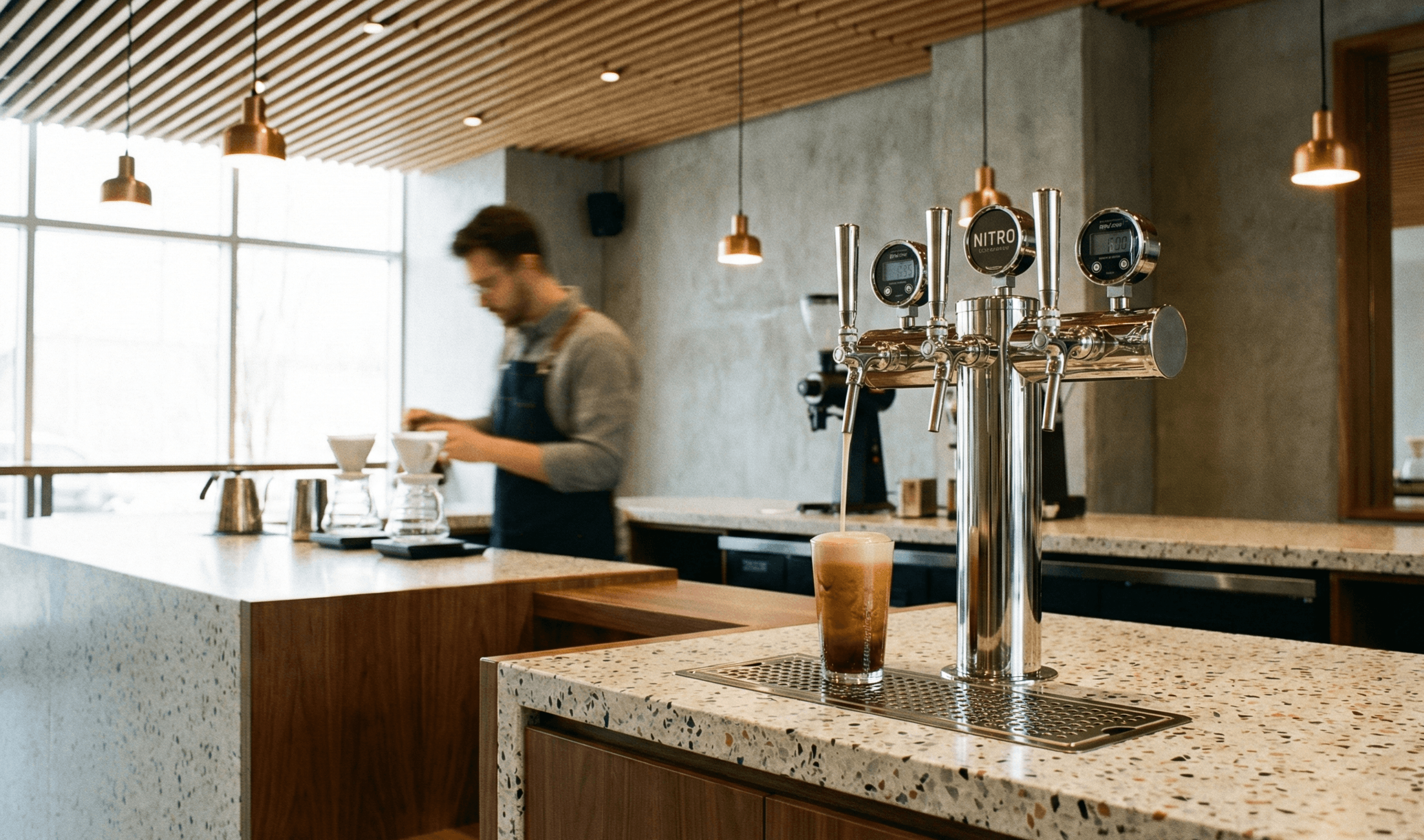
Nitro Cold Brew: Nitrogen-infused for creamy, smooth texture without milk
RTD (Ready-to-Drink) Canned Cold Brew: Premium canned versions from specialty roasters
Cold Brew Concentrate: Shelf-stable concentrate for subscription delivery
Snap-Chilled Specialty Drinks: Flash-frozen single-origin drinks maintaining café quality
What it means: The future isn't just hot. Cold coffee is becoming as sophisticated as hot coffee, with single-origins, specific processing methods, and precise brewing chemistry.
Trend 3: Specialty Coffee Scarcity & Price Increases
As production costs rise and climate challenges threaten harvests, specialty coffee is becoming more scarce and more expensive.
The reality: Some of the world's best coffee-growing regions are experiencing:
Increased pest pressure (coffee leaf rust, berry borer)
Unpredictable rainfall patterns
Soil degradation
Labor shortages
The consequence: Specialty coffee becomes more precious. Rare, exceptional lots command premium prices. The "commodity to specialty" gap widens.
What it means: Expect to pay more for truly exceptional coffee. But that premium reflects real scarcity and genuine quality. The conversation shifts from "specialty coffee is expensive" to "specialty coffee is scarce and precious."
Trend 4: Direct Trade and Transparency Replace Traditional Supply Chains
The traditional coffee supply chain is being disrupted by direct relationships.
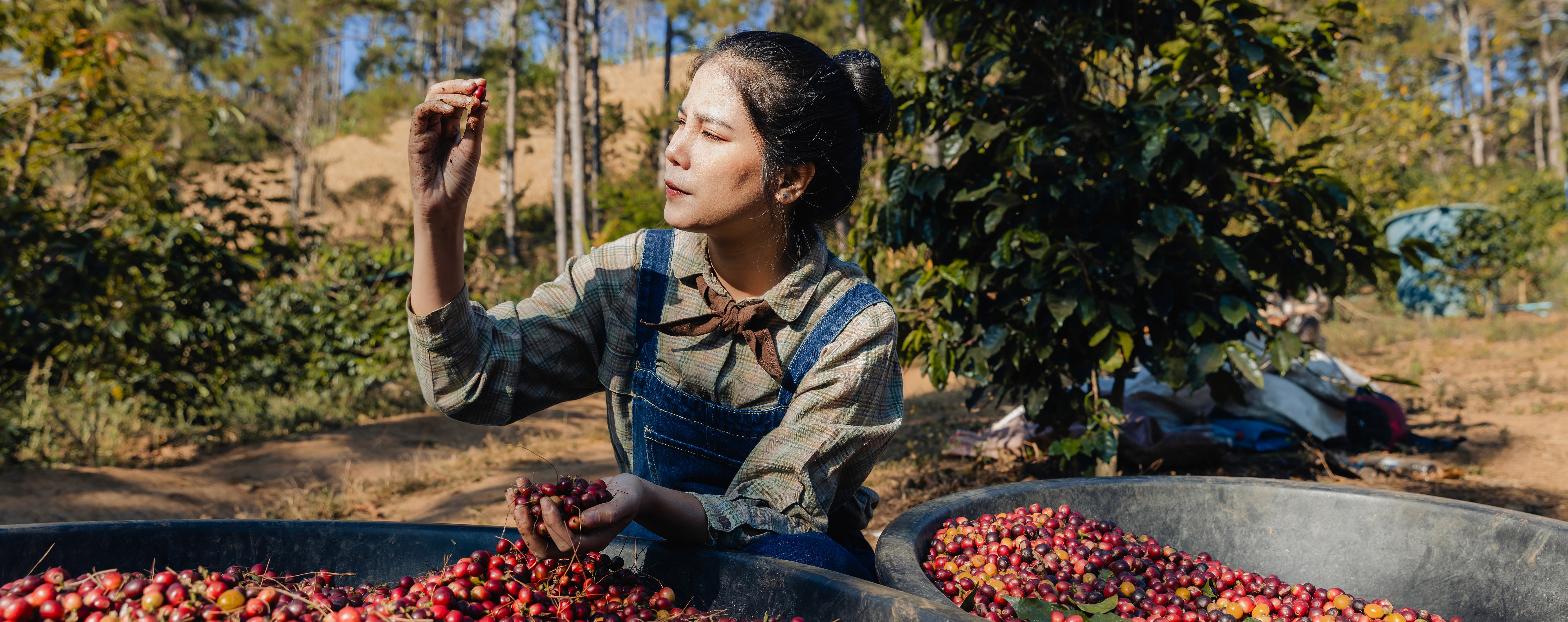
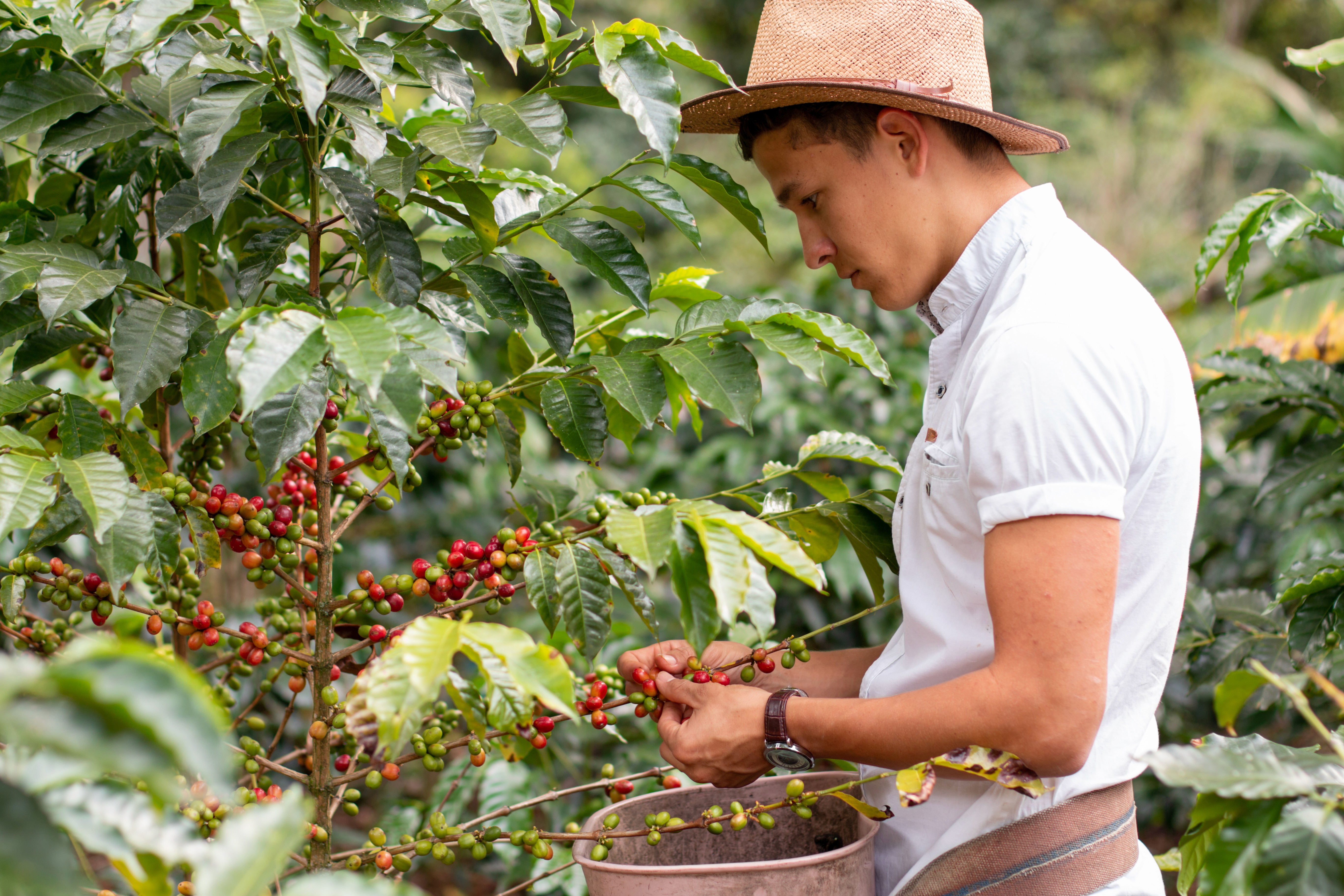
What's happening: More roasters are eliminating middlemen, buying directly from farmers and cooperatives. This increases prices paid to farmers (often 2-3× fair trade minimums) and creates transparency.
The benefit:
Farmers earn more
Roasters know their coffee's origin intimately
Quality improves because relationships matter
Consumers know exactly who produced their coffee
The challenge: Direct trade requires trust, long-term commitment, and willingness to pay premium prices. It's not scalable to commodity levels, but for specialty coffee, it's the future.
Trend 5: Third-Place Cafés as Community Hubs
What's happening: Specialty cafés are becoming:
Co-working spaces
Event venues (tastings, workshops, performances)
Art galleries
Meeting places for like-minded people
Spaces for meaningful human connection
Why it matters: Coffee culture is becoming as much about community as coffee. The best cafés aren't optimizing for throughput—they're optimizing for experience and belonging.
Trend 6: Functional Coffee Innovation
What's emerging:
Mushroom Coffee: Lion's mane, reishi, and other mushrooms for cognitive or immune benefits
Protein Lattes: High-protein specialty drinks
Nootropic Coffee: Compounds designed to enhance focus
Adaptogenic Coffee: Stress-reducing mushrooms and herbs
The phenomenon: Health-conscious consumers want coffee that does more than provide caffeine. They want it optimized for wellness, cognition, or energy.
The caveat: Quality and efficacy vary widely. The best functional coffees are developed by people who understand coffee AND the added compounds.
Trend 7: Home Coffee Brewing Investment
Coffee shop growth is plateauing, but home brewing equipment sales are booming.
What's happening:
At-home espresso machine sales are up significantly
Premium grinder sales are strong
Coffee subscriptions are growing
People are investing in their home brewing setup
Why: Remote work normalized home-based routines. People want café-quality coffee without leaving home. Home brewing is becoming a valued ritual and hobby.
Trend 8: Single-Origin and Microlot Curation
The rise of specialty coffee isn't just about taste—it's about identity and story. Consumers increasingly want exact altitude, varietal, and farmer name.
What's emerging: Microlot focus. Instead of "Ethiopian coffee," you buy "Ethiopian Gedeo Zone, Abaya Cooperative, 2,200m altitude, Heirloom varietal, lot 47, October 2025 harvest."
Why it matters: Specificity creates connection. You're not buying "coffee from Africa." You're buying coffee from a specific place, produced by a specific person, with a specific story.
Trend 9: Plant-Based Integration as Standard
Plant-based options have moved from alternative to expected, especially among younger demographics.
The shift: Cafés aren't offering "dairy-free options as an alternative." They're offering diverse milk options as standard: dairy, oat, almond, coconut, and more.
Why: Environmental and ethical concerns about dairy production are mainstream.
Trend 10: Precision and Science in Specialty Brewing
Coffee brewing is increasingly informed by chemistry and precision:
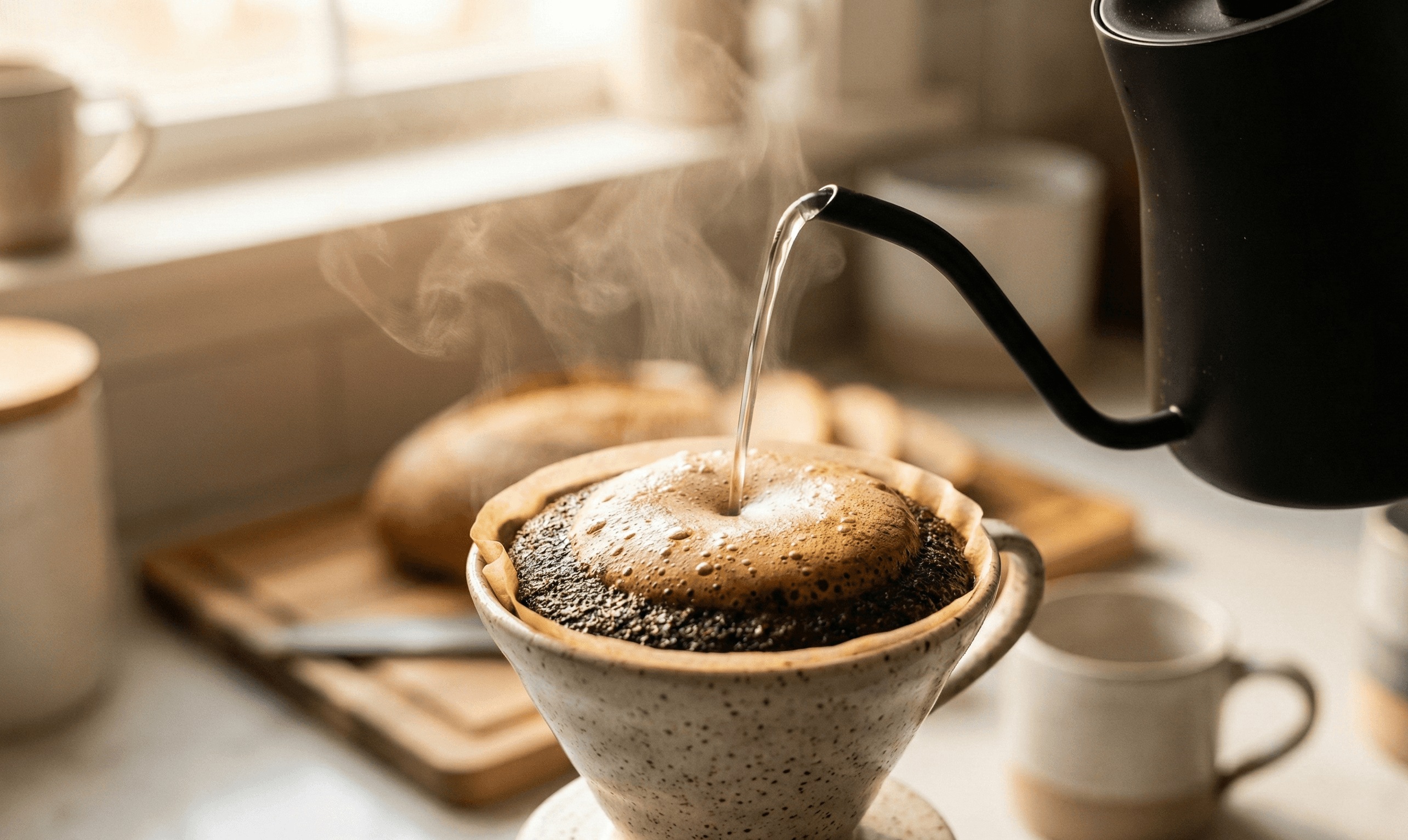
Brewing parameters as science: Temperature, contact time, grind size optimization using data
Extraction measurement: Understanding exactly how much flavor is extracted
Water chemistry: Mineral content affecting flavor
Fermentation science: Understanding how processing chemistry creates flavor
What it means: Coffee brewing is becoming more technical and scientific. Home brewers using scales, timers, and precise temperatures are the norm.
What This Means For You
If you love specialty coffee:
Expect prices to increase but quality to improve
Seek roasters with transparent sourcing
Explore direct trade and single-origin coffees
Invest in home brewing equipment if you haven't
Look beyond coffee—explore functional additions if interested
Build relationships with local roasters
If you're building a coffee habit:
Start with high-quality, ethically sourced beans
Invest in a good grinder (single best investment)
Learn one brewing method deeply
Join or create a coffee community
Stay curious about developments
If you're a roaster or café owner:
Transparency isn't optional—it's expected
Build direct relationships with farmers
Invest in your community and experience
Educate your customers
Consider sustainability and environmental impact as core to your business
Embrace home brewers as partners
The Bigger Picture
Coffee in 2026 isn't about convenience or caffeine. It's about craft, community, sustainability, and connection. The industry is bifurcating: commodity coffee stays cheap, while specialty coffee becomes increasingly precious, transparent, and relationship-based.
The good news? This trend toward quality, ethics, and community is exactly what makes specialty coffee worth exploring. Discovering your palate, understanding terroir, finding roasters you trust, supporting ethical sourcing—these are all aligned with where coffee culture is heading.
The future of coffee is intentional. And that's a future worth being part of.