Brew
Mar 1, 2026
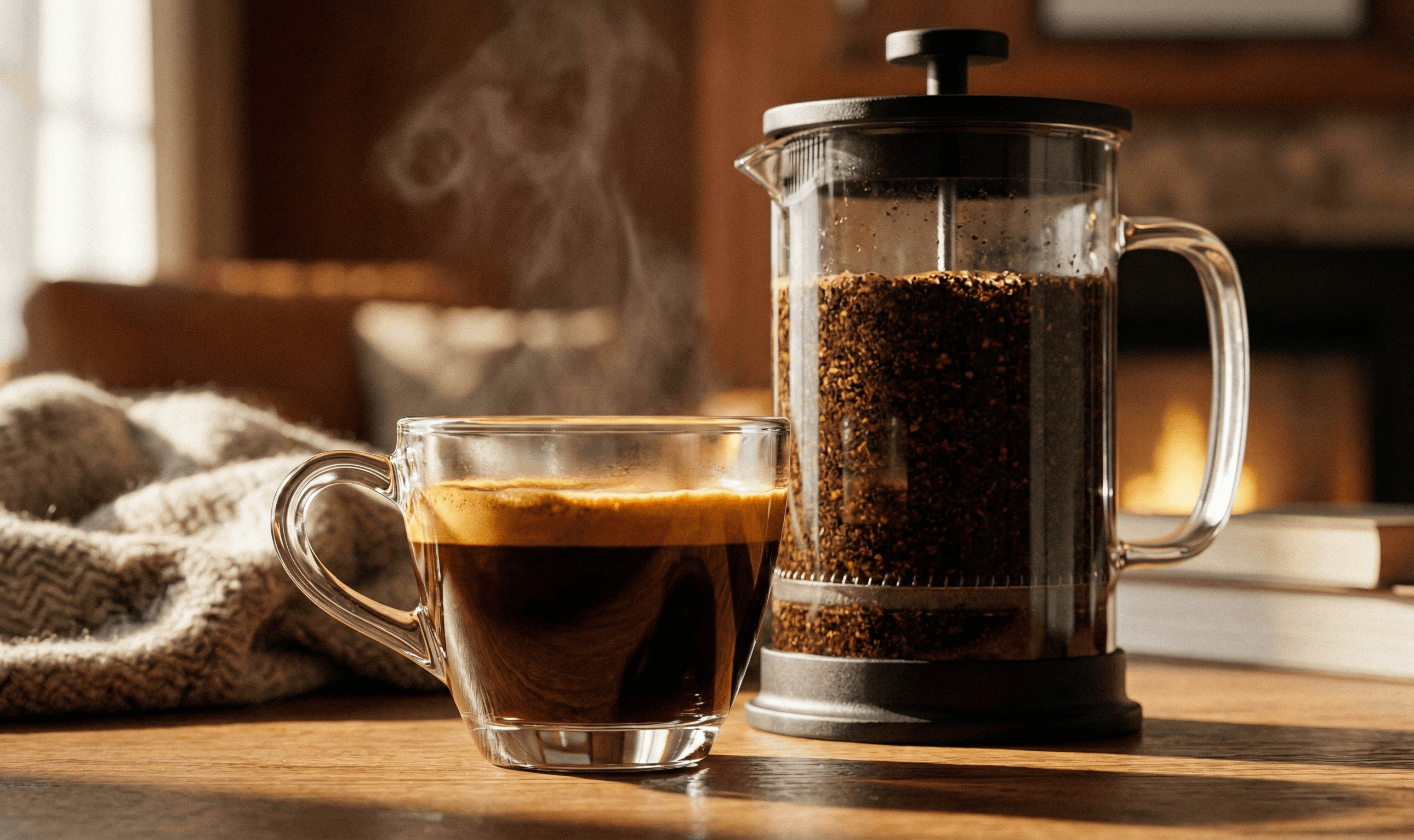
The espresso machine hisses with purpose. The French press invites patience. These two brewing methods approach coffee like completely different philosophies. One is pressure and speed. The other is time and immersion. Understanding their differences transforms how you choose beans and experience your daily ritual.
The Philosophy Behind Each Method
Espresso: Pressure, Precision, Intensity
Espresso forces hot water through finely ground coffee at 9-15 bars of pressure for 25-30 seconds. This aggressive extraction concentrates flavors, oils, and soluble solids into a small, intense shot. The result is bold, rich, syrupy—a 1-2 ounce cup that demands attention.
According to Majesty Coffee's comparison, espresso requires precise control over five variables: grind size, water temperature, pressure, contact time, and dose.
French Press: Immersion, Time, Full-Bodied Richness
French press invites you to pause. Coarse grounds steep in hot water for four full minutes. Water gradually dissolves flavor compounds and oils. The metal mesh filter lets oils through, creating full body, richness, and complexity.
Methodical Coffee explains that French press relies on time rather than pressure, making it more forgiving than espresso.
Head-to-Head: The Sensory Differences
Flavor Profile & Intensity
Espresso: Bold, concentrated, intense. You taste roast characteristics heavily—dark chocolate, caramel, sometimes smoky. Crema adds subtle sweetness.
French Press: Smooth, full-bodied, nuanced. Origin characteristics shine—you taste terroir clearly. Heavier mouthfeel, almost creamy.
Caffeine Content
Interestingly, French press contains slightly more caffeine per ounce than espresso. A shot of espresso has ~63mg. An 8oz cup of French press has ~80mg. However, you consume less total caffeine from espresso because serving sizes are smaller.
Body & Mouthfeel
Espresso: Thick, syrupy, coating your mouth. Micro-particles create distinctive heavy sensation.
French Press: Heavier than pour-over, smoother than espresso. Natural oils create silky, velvety texture.
The Technical Requirements
Espresso Machine
Cost: $150-$3,000+ (home)
Grinder: Precise burr grinder with 30+ settings
Maintenance: Regular backflushing, descaling, cleaning
Learning curve: Steep. Takes weeks of practice
Consistency: Difficult. Variables shift constantly
French Press
Cost: $10-$50
Grinder: Burr grinder, less critical than espresso
Maintenance: Minimal. Rinse after use.
Learning curve: Gentle. Most people succeed on first try.
Consistency: Easy. Same coffee and steps produce similar results.
Which Beans Actually Shine
For Espresso: Medium-to-dark roasted single-origins from Brazil, Sumatra, darker Ethiopian naturals. You want assertive flavor profiles because pressure intensifies everything.
For French Press: Any quality specialty coffee, especially light-roasted washed coffees that showcase origin clarity. Natural and honey-processed coffees are glorious.
The Daily Ritual Difference
Espresso demands presence. Heat the machine, grind precisely, tamp carefully, pull the shot, watch it flow, taste immediately. The ritual is active.
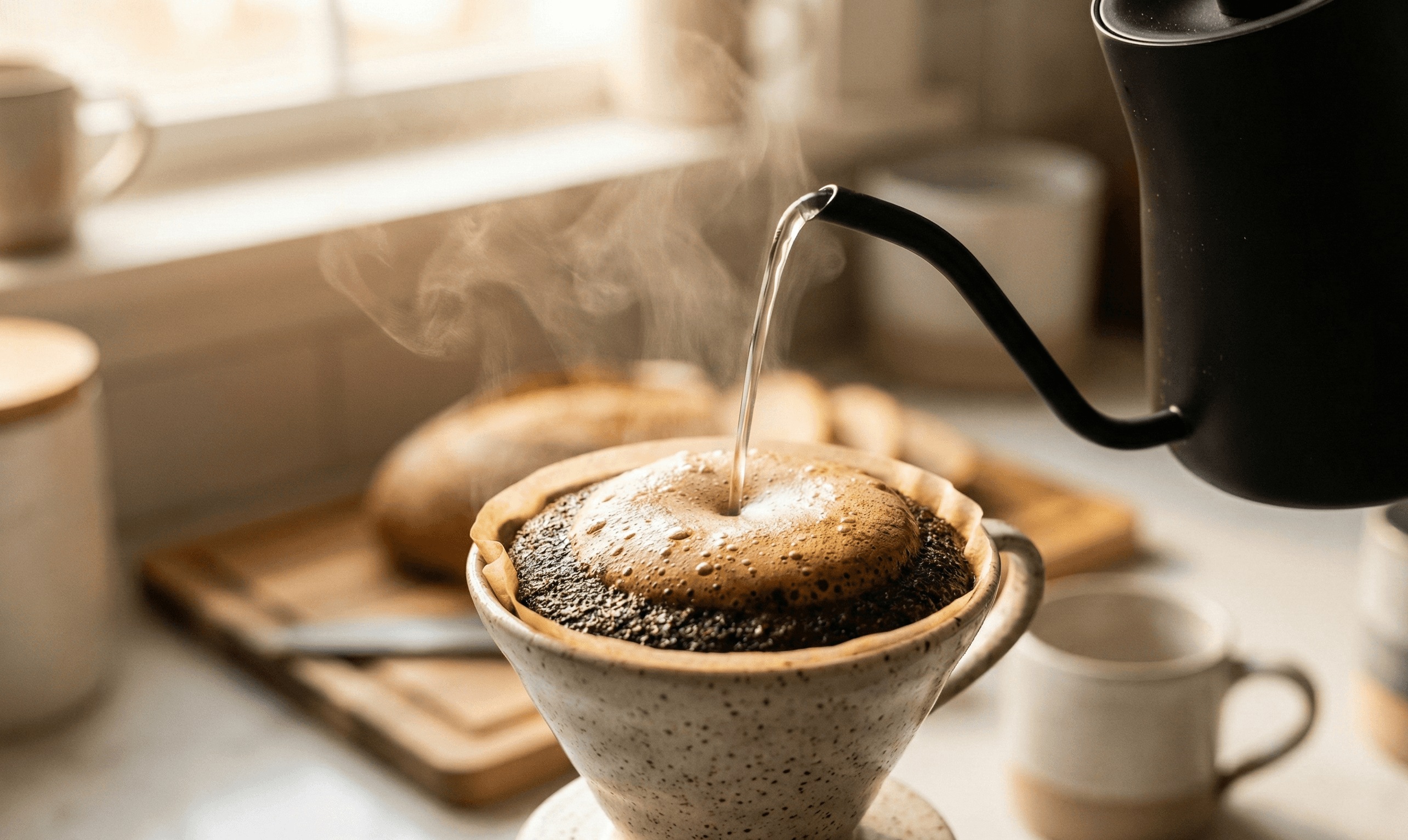
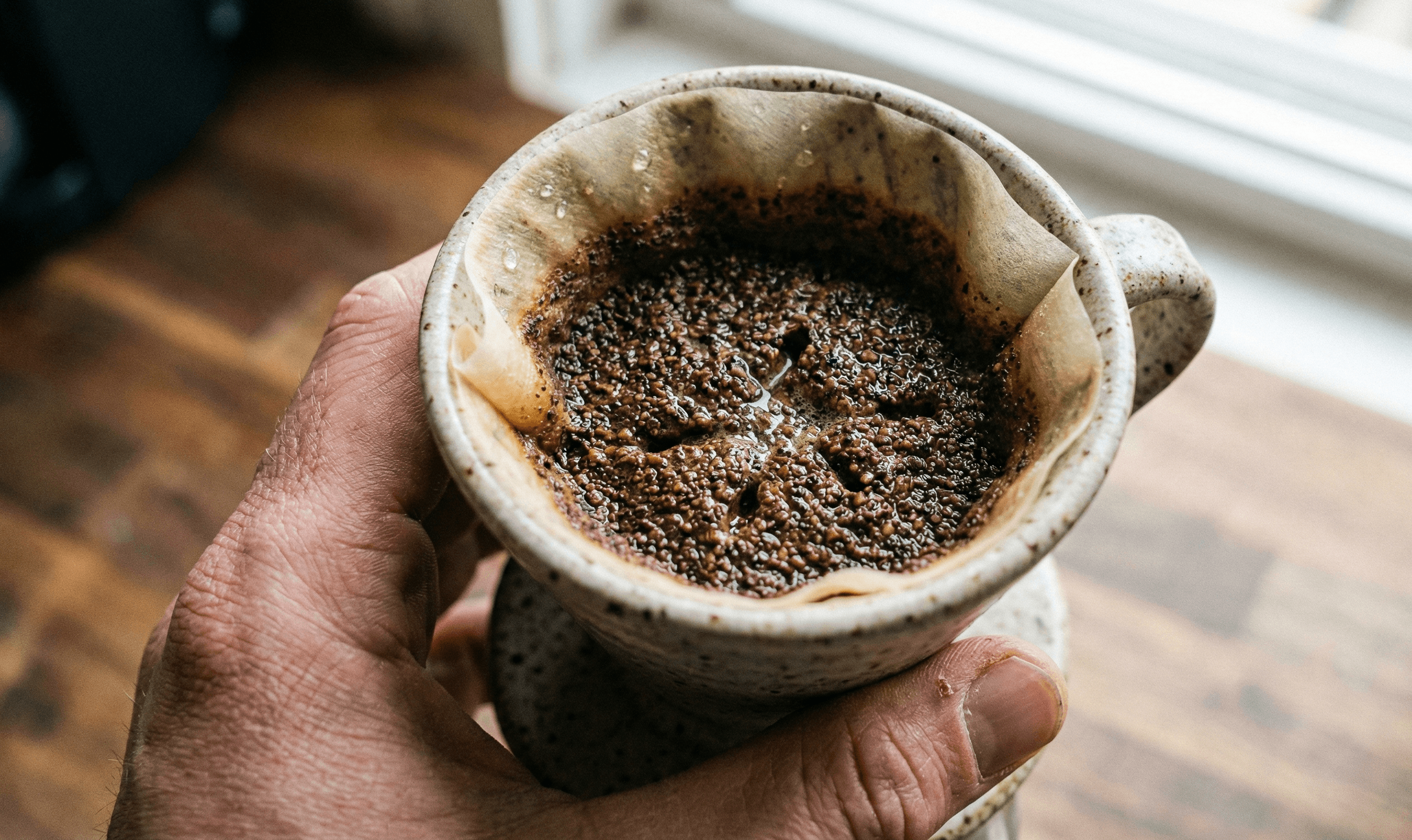
French Press invites slowness. Boil water, add grounds, bloom, pour, wait four minutes. During those four minutes, you can be present with yourself. The ritual is contemplative.
Which Should You Choose?
Choose Espresso if:
You love intense, concentrated coffee
You want to develop technical skill
You enjoy daily equipment mastery
You want multiple small sips
Choose French Press if:
You prefer full-bodied, smooth coffee
You value simplicity and reliability
You want to taste origin clearly
You prefer a slower, meditative ritual
The Real Answer: Many coffee lovers keep both. Your mood, the beans you have, and available time dictate your choice. The beauty isn't choosing one—it's understanding both deeply enough to appreciate the distinct gifts each offers.