Connect
Mar 22, 2026
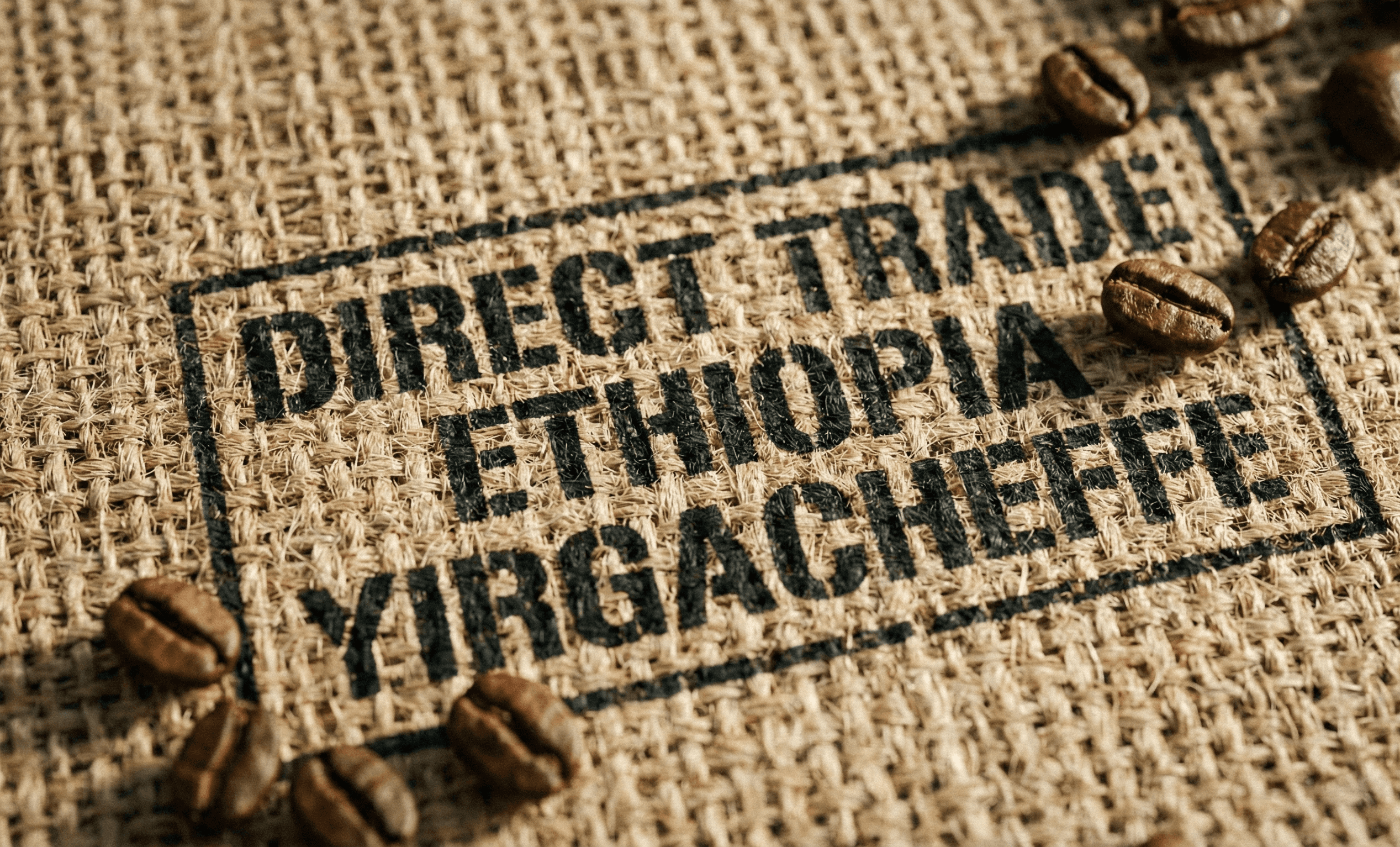
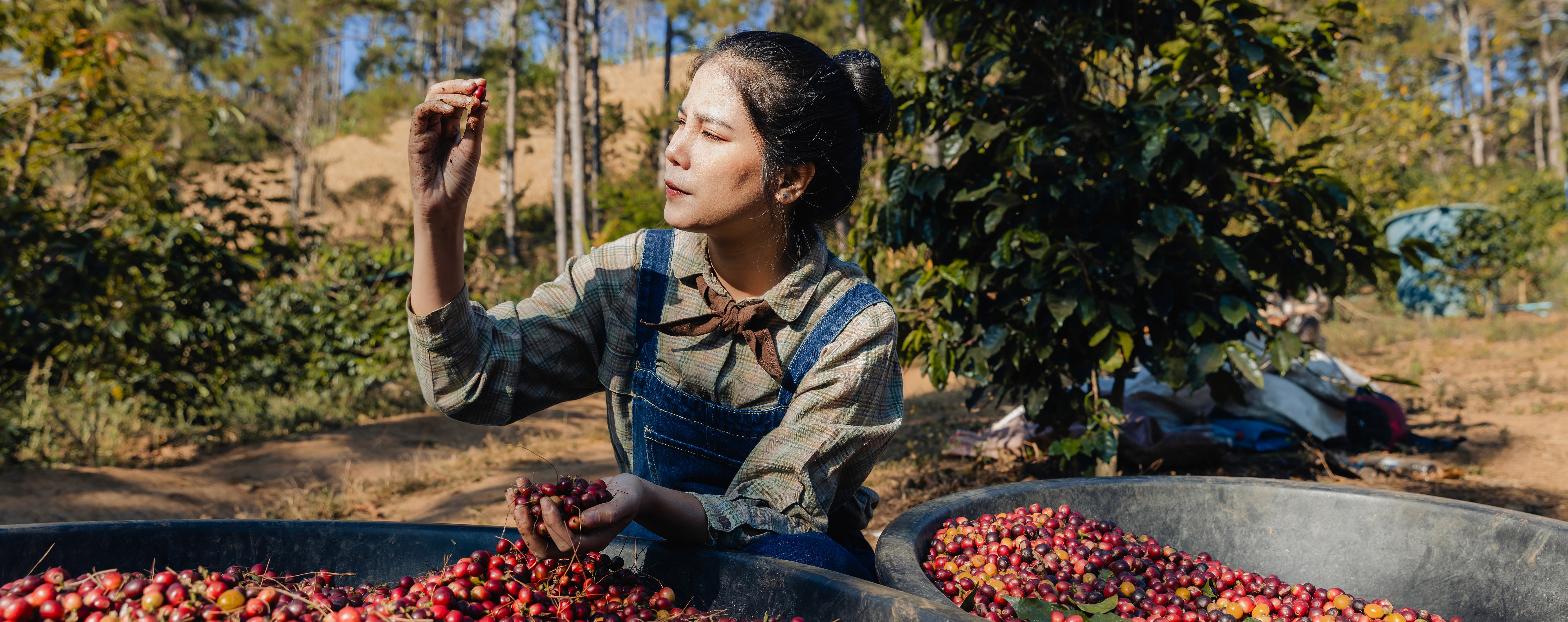
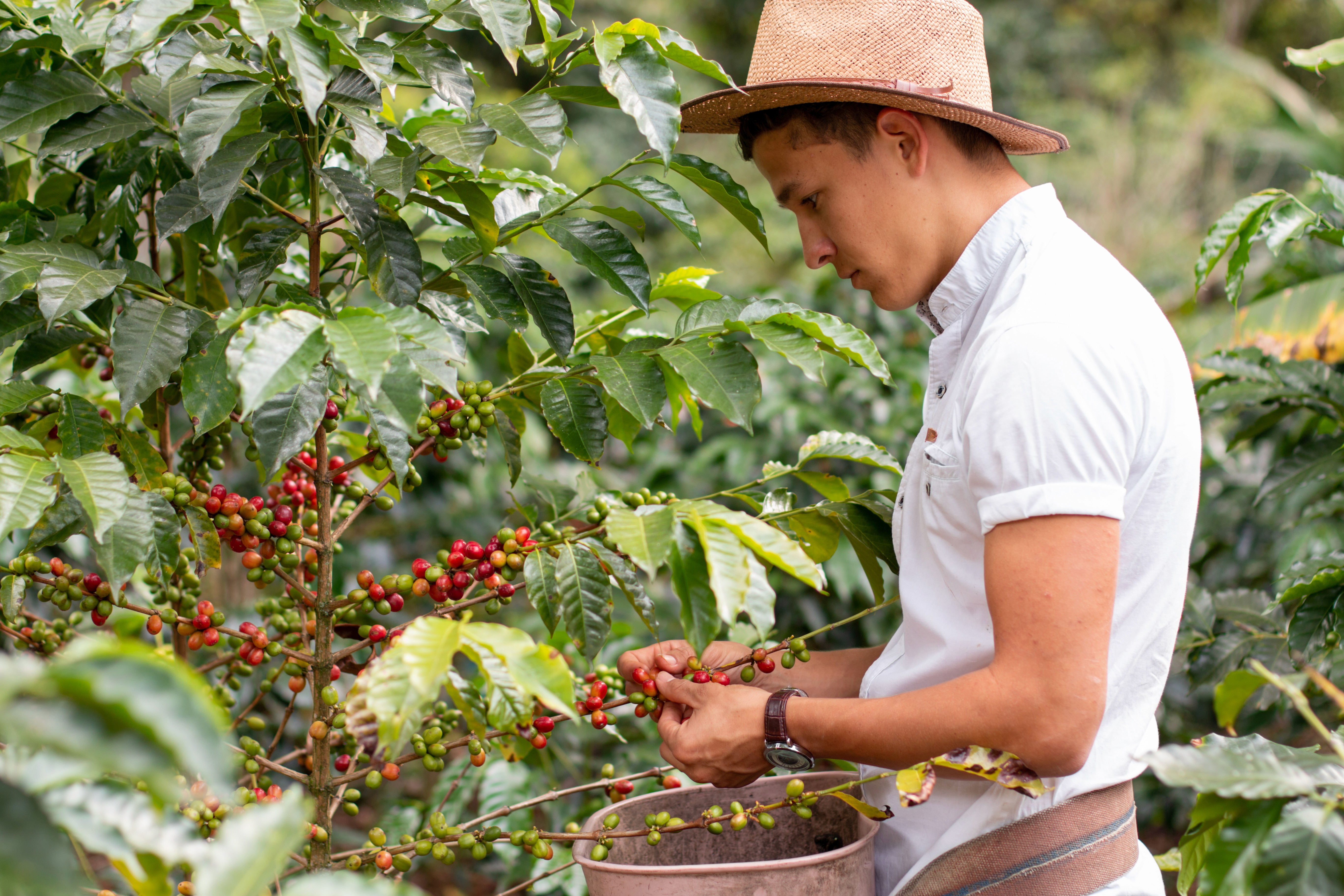
Your morning coffee has a supply chain. Somewhere in the mountains of Ethiopia or Colombia, a farmer woke up before dawn to pick cherries. That farmer's labor, land, and care created the coffee in your cup. Ethical sourcing means ensuring that farmer was treated fairly and paid fairly for their work.
The Problem: Why Ethical Sourcing Exists
For decades, coffee farmers received commodity prices—often far below what their coffee was worth. A farmer might spend a year growing, harvesting, and processing coffee, only to be paid a fraction of what consumers paid in cafés. Middlemen captured most of the value.
This created several problems:
Economic Hardship: Farmers couldn't invest in better equipment, education, or sustainable practices. They lived hand-to-mouth.
Environmental Degradation: Desperate to increase yield, farmers cut down shade trees, used excessive pesticides, and depleted soil.
Quality Decline: When farmers aren't paid fairly, they can't invest in quality. They can't experiment with new processing methods.
Community Breakdown: Young people left farming for cities. Coffee-farming communities lost their economic foundation.
According to Food & Hotel Asia's ethical sourcing article, ethical coffee sourcing was created specifically to address these systemic problems.
Understanding Coffee Certifications
Fairtrade Certification
What it means: Farmers receive a minimum price floor. They also receive premiums for sustainable farming.
The guarantee:
Farmers get paid at least $1.35-$1.40/pound for washed coffee
Additional premium goes to community development
Farming practices meet environmental standards
Workers have rights and safe working conditions
The limitation: Commodity certification—guarantees minimum standards but doesn't guarantee exceptional quality.
When to look for it: If you want assurance of fair wages and environmental baseline standards.
Rainforest Alliance (UTZ)
What it means: Farms meet environmental and social criteria. Emphasis on biodiversity, sustainable farming, and worker welfare.
The guarantee:
Farms must maintain shade-grown practices
Chemical pesticide use is restricted
Water conservation is required
Worker wages and conditions are monitored
When to look for it: If environmental conservation and biodiversity matter to you.
Organic Certification
What it means: No synthetic pesticides, herbicides, or fertilizers. Farming relies on natural methods.
The guarantee:
Soil health is maintained through composting
Biodiversity is protected
No chemical residues in the final product
The limitation: Organic certification doesn't guarantee fair wages.
When to look for it: If you're concerned about pesticide residues and environmental impact.
Direct Trade (Unofficial, But Meaningful)
What it means: The roaster buys directly from farmers or farmer cooperatives, bypassing exporters and middlemen. Relationships are direct and ongoing.
The guarantee:
Farmers receive substantially higher prices (often 2-3× fair trade minimum)
Roasters and farmers build long-term relationships
Roasters often know exactly which farm produced their coffee
Farmers have more control and agency
Quality is typically exceptional
The limitation: No official certification body. You have to trust the roaster's integrity.
When to look for it: Direct trade coffees are typically more expensive but offer the best combination of farmer welfare, transparency, and quality.
PT's Coffee is a well-known example of a roaster deeply committed to direct trade, publishing detailed information about farmers and prices.
Beyond Certifications: What Ethical Sourcing Really Means
Certifications are helpful, but they're minimum baselines. True ethical sourcing goes deeper:
Transparency: A roaster should be willing to tell you where their coffee comes from, how much farmers were paid, and how the relationship works.
Farmer Names & Stories: The best roasters know their farmers by name. They can tell you about their farm, their family, their dreams. This personal connection indicates real relationships.
Sustainable Farming Practices: Ethical sourcing supports farmers in adopting sustainable practices—shade-growing, water conservation, soil health. This ensures long-term viability.
Community Development: Fair pricing allows farmers to invest in schools, clean water, medical care, and education. This creates sustainable communities.
Price Transparency: Some roasters share exactly how much they paid for coffee and how much the farmer received. This radical transparency is increasingly common among high-end roasters.
How to Identify Ethical Coffee When Shopping
Look for These Signs:
1. Specific Origin Information
"Ethiopian Yirgacheffe from the Gedeo Zone, Abaya Cooperative, 2,050m altitude"
Better than: "Ethiopian coffee"
Specificity indicates direct relationships and traceability
2. Farmer or Farm Names
"Coffee from Juan Carlos Rodriguez's farm in Huila, Colombia"
Means the roaster knows their farmer personally
3. Certifications Listed
Fairtrade, Rainforest Alliance, Organic, or Direct Trade badges
Multiple certifications show commitment to multiple values
4. Price Point
Ethical specialty coffee typically costs $7-$12+ per 12oz bag
If cheaper than $5, it's likely not ethically sourced
Price reflects fair farmer compensation
5. Roaster Education
Visit the roaster's website. Do they explain their sourcing philosophy?
Do they list which farms they work with?
Do they share farmer stories?
Blue Mountain Estates Coffee publishes detailed sourcing information and farmer stories
6. Subscription or Relationship Options
Ethical roasters often offer subscriptions to support consistent farmer income
They might offer multi-year purchasing commitments to farmers
These practices indicate long-term thinking
The Business Case for Ethical Sourcing
Interestingly, ethical sourcing isn't just morally right—it's good business. Coffee Crafters notes that ethical sourcing creates higher-quality coffee because farmers who are paid fairly invest in quality. They can afford to experiment with processing methods, invest in equipment, and develop relationships with quality-focused buyers.
The result: ethically-sourced coffee is typically higher quality. You're not choosing between ethics and taste—you're choosing both.
What Ethical Sourcing Means for Your Palate
When you taste coffee from a farmer you know by name, from a farm you understand, at an origin you've learned about—the experience changes. That coffee has a story. You understand the geography that created the flavor. You're not just tasting a beverage; you're tasting the result of someone's year-long labor, someone's passion, someone's stewardship of land.
Many Grano users find that when they switch to ethically-sourced coffee, their entire relationship with coffee deepens. They care more because they know the story. They taste more carefully because the coffee means something beyond caffeine and flavor.
That connection—between consumer and farmer, between taste and ethics—is the future of specialty coffee. Supporting ethical sourcing isn't just about farmers' welfare. It's about participating in a coffee world built on relationships, respect, and genuine care.