Connect
Feb 8, 2026
The specialty coffee world is built on relationships. A great roaster isn't just someone who roasts beans well—they're a storyteller, an educator, a steward of community. Finding local roasters that align with your values is one of the most rewarding parts of the coffee journey.
Why Local Roasters Matter
When you buy from a local roaster, you're supporting:
Craftsmanship: Small batches, careful sourcing, personal attention. Local roasters adjust for seasonal variations and experiment with new methods.
Transparency: You can ask where beans come from, how they were roasted, why they chose each origin. Roasters are proud to explain their decisions.
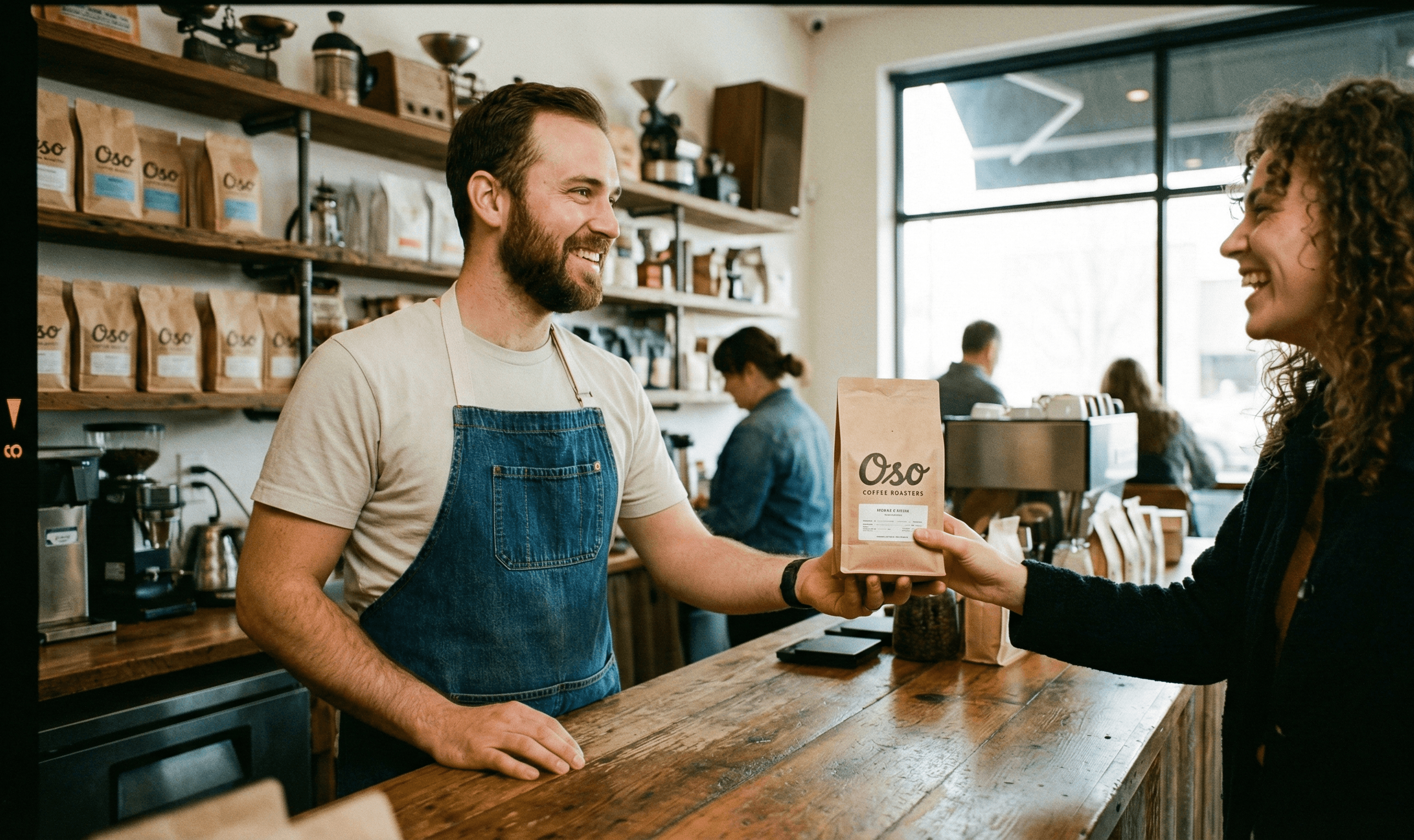
Community: Local roasters become gathering places—cafés, tasting events, workshops. Hubs where coffee lovers connect.
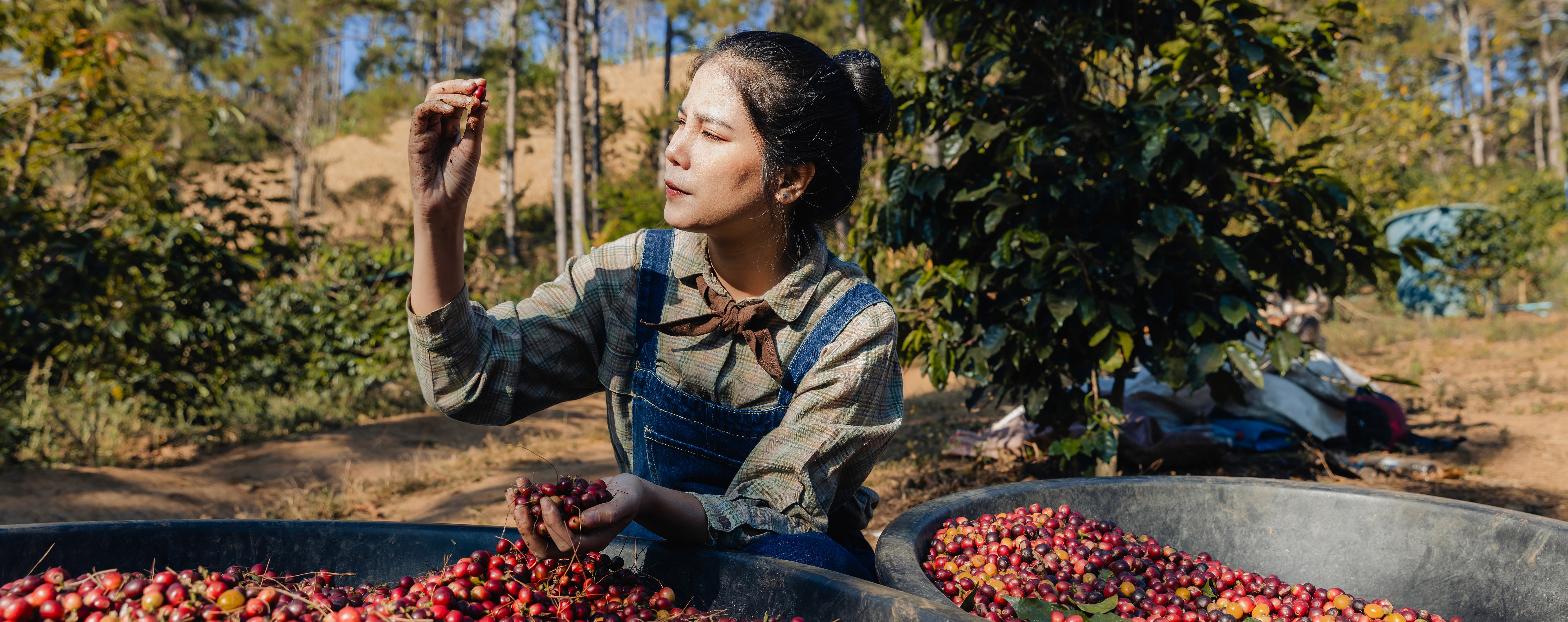
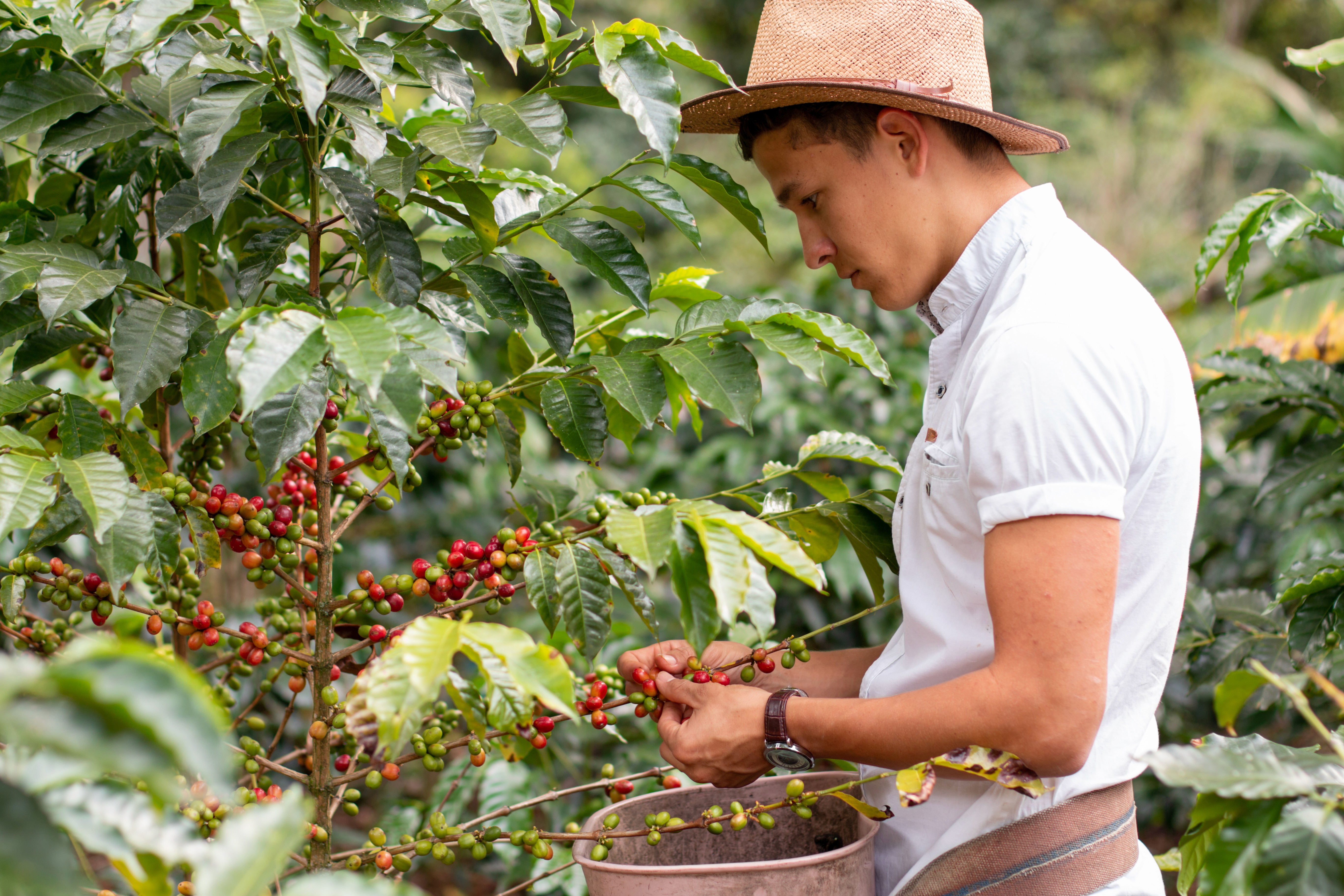
Sustainability: Many prioritize ethical sourcing and fair-trade practices. According to Perfect Daily Grind, local roasters are more likely to build direct relationships with farmers, ensuring better prices and better quality.
Local roasters have faces, stories, and real relationships with farmers. They're the opposite of anonymous.
How to Find Them
Start Local: Search "specialty coffee roasters near me" or visit specialty café websites. Ask baristas where they source from. Check social media—Instagram is where roasters showcase their beans and personalities.
Look for Quality Indicators:
Roast dates on bags (not just "roasted within X days")
Detailed information about origin, altitude, processing, flavor notes
Willingness to answer questions about sourcing and roasting philosophy
Regular presence (café, farmers market, online shop)
Attend Tastings and Events: Many roasters host free cupping events or brewing workshops. Low-pressure ways to taste multiple coffees and meet the team.
The Questions to Ask
Once you've found a roaster you're curious about:
About Their Sourcing:
"Where does this coffee come from?" (Specific farm, region, altitude = good answer)
"Do you have direct relationships with farmers?" (Transparency builds trust)
"What certifications matter to you?" (Fair-trade, organic, Rainforest Alliance)
PT's Coffee is an example of roaster transparency, publishing their direct trade commitments and farmer support.
About the Coffee:
"What brewing method do you recommend?"
"Can you describe the flavor profile?"
"What makes this coffee special to you?" (Passion should be obvious)
About the Roastery:
"How often do you rotate your selection?"
"Do you offer a subscription?"
"Are there events or tastings I can attend?"
Building a Relationship
The beauty of local roasters is that relationships deepen over time:
1. Try multiple coffees. You're learning a roaster's philosophy across their range.
2. Come back regularly. Regular customers become part of the community. Roasters remember you and recommend things specifically for you.
3. Share feedback. If you loved something, say it. If it wasn't your taste, that's feedback too. Roasters genuinely want to know.
4. Attend tastings or events. This is where you move from "customer" to "community member."
The Trust Factor
At Grano, we believe trust comes from transparency and care. Local roasters offer that. They're not hiding behind a brand—they're standing behind their work.
When you find a local roaster you trust, you've found something valuable: a guide, a mentor, a friend in the coffee world. That relationship—built over months—transforms coffee from a commodity into a conversation. And that's the heart of specialty coffee: connection, community, and shared passion.