Discover
Apr 5, 2026
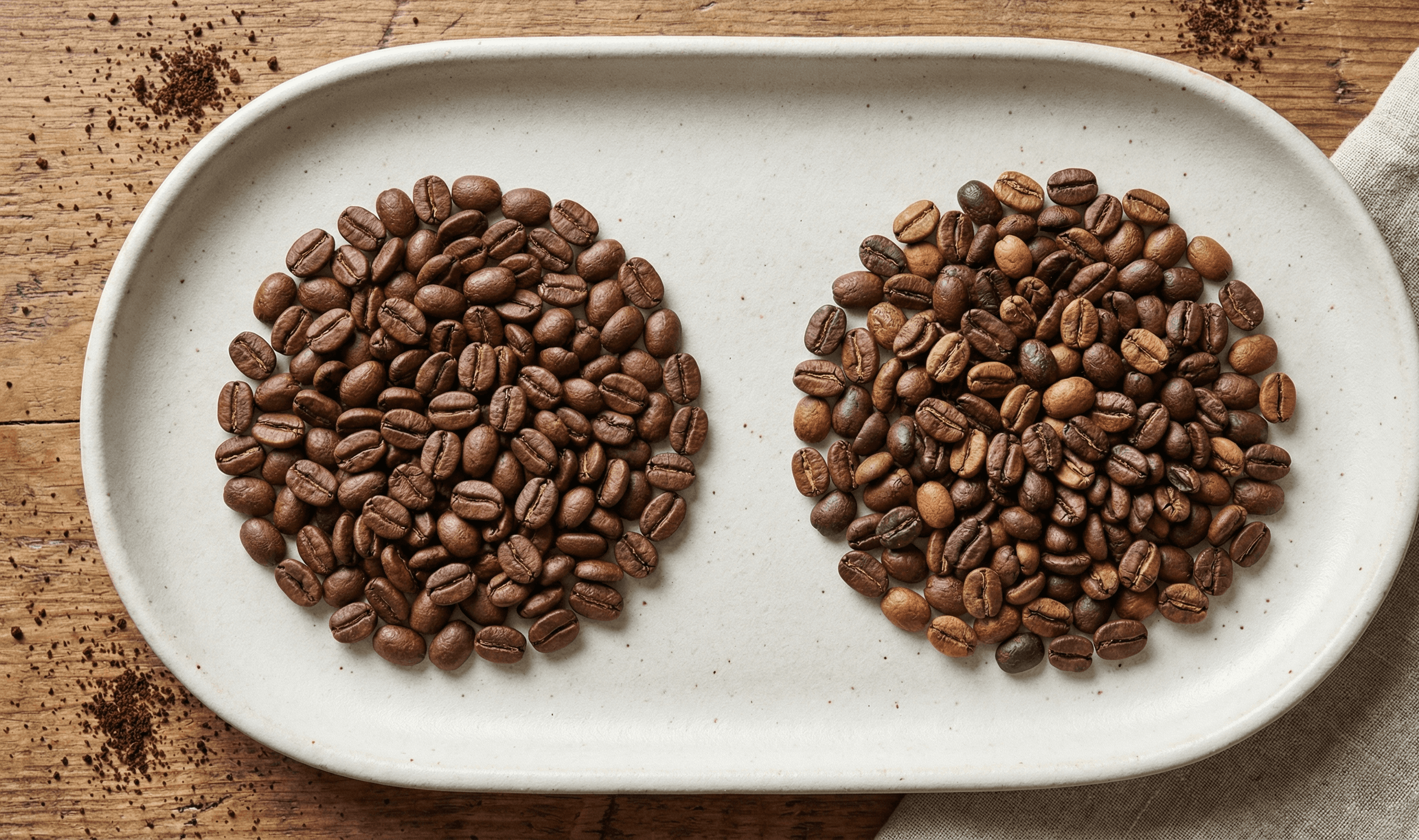
Walk into a specialty café and you'll see both: single-origin Ethiopian natural and a house blend of Brazilian, Colombian, and Kenyan beans. They cost the same. They look similar. But they're fundamentally different products created for completely different reasons. Understanding the philosophy behind each helps you choose coffees that align with what you actually want to taste.
Single-Origin: Purity and Place
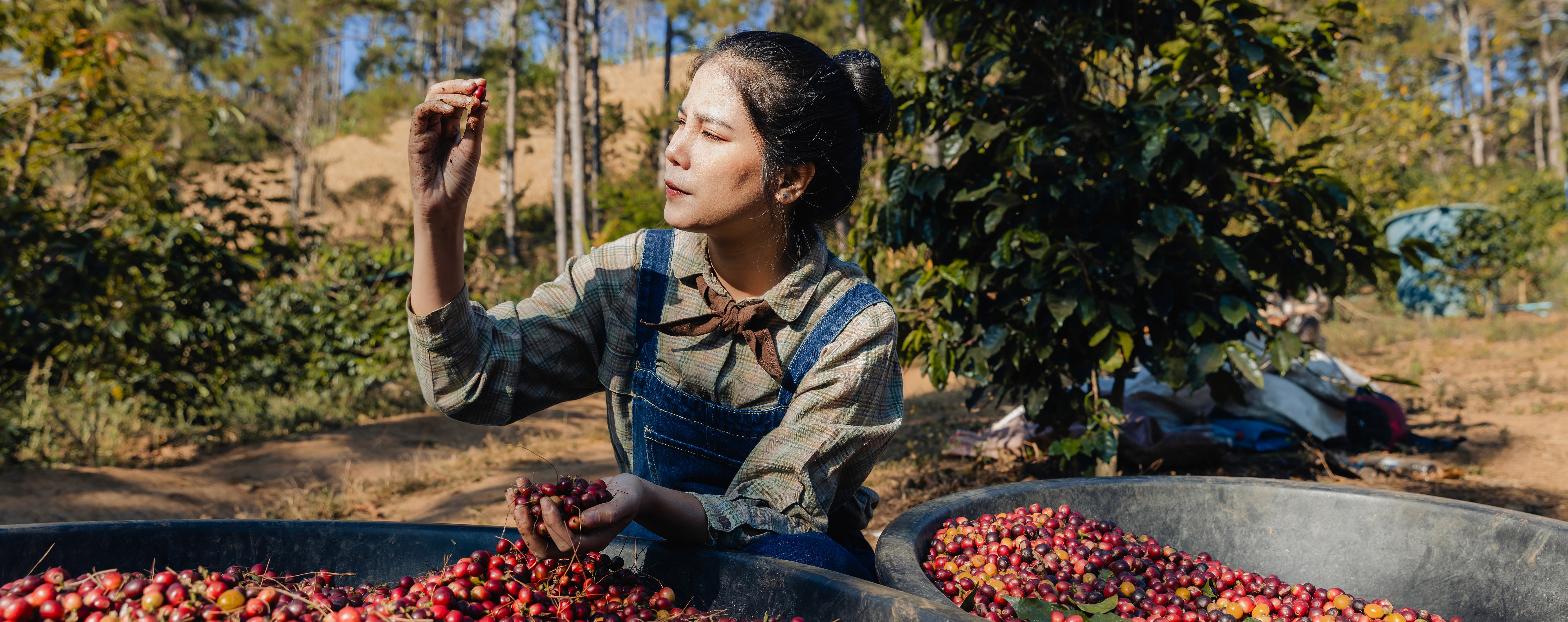
A single-origin coffee comes from one geographic location—potentially one specific farm, one altitude zone, even one lot (harvest batch). You're tasting one place, one climate, one farmer's decisions.
The Philosophy: Showcase terroir. Let you taste exactly what that geography produced. Celebrate the uniqueness of a specific place.
The Flavor Profile: Distinct, sometimes challenging, always honest. A single-origin Ethiopian tastes like Ethiopia because there's nothing else in the cup diluting or softening its character.
The Experience: When you taste single-origin coffee, you're tasting a story. You might taste the altitude in the brightness. You might taste the volcanic soil in mineral notes. You taste the processing choice clearly. There's nowhere to hide.
When to Choose Single-Origin:
You want to taste a specific place
You're exploring coffee geography and origins
You want to learn what different regions taste like
You enjoy vibrant, distinctive flavors
You're interested in understanding terroir
Blends: Balance and Consistency
A blend combines beans from multiple origins. A roaster might use 50% Brazilian, 30% Colombian, and 20% Ethiopian. The roaster's goal is to create something greater than the sum of its parts—a coffee that's balanced, consistent, and more nuanced than any single origin alone.
The Philosophy: Create balance, consistency, and complexity through combination. Use different origins' strengths to offset weaknesses.
The Flavor Profile: Balanced, smooth, often more forgiving than single-origins. A good blend doesn't taste "muddy"—it tastes intentional, with multiple flavor dimensions working together.
The Experience: When you taste a blend, you're tasting the roaster's philosophy and skill. They've made deliberate decisions about which origins to use, in what proportions, roasted to what level. Blends are the roaster's signature.
When to Choose Blends:
You want consistency day-to-day
You prefer balanced, smooth flavors over distinctive ones
You want a reliable "morning coffee"
You're less interested in origin exploration
You want something forgiving and approachable
Head-to-Head Comparison
Factor | Single-Origin | Blend |
|---|---|---|
Flavor Profile | Distinct, region-specific | Balanced, roaster's signature |
Consistency | Varies by season & lot | Roaster maintains consistency |
Complexity | Deep, layered (one place) | Broad complexity (multiple places) |
Learning Curve | High—you taste terroir directly | Medium—taste roaster's choices |
Best For | Exploration, learning | Daily drinking, reliability |
Variability | Changes season-to-season | Intentionally consistent |
Why Roasters Create Blends
1. Consistency
A roaster buys Ethiopian coffee in September and Colombian in October. If they sell only single-origins, customers get completely different flavor profiles depending on season. Blending lets them maintain consistency.
2. Price Point
Single-origin beans from desirable regions can be expensive. Blending lets roasters include small amounts of premium origins with more affordable beans, creating a luxury product at reasonable price.
3. Flavor Design
A good blend is like a recipe. The roaster uses Ethiopian's brightness to balance Brazilian's heaviness. They use Colombian's sweetness to soften Kenyan's boldness. The result is thoughtfully designed rather than accidental.
4. Supply Reliability
Single origins are seasonal. If a crop fails, that origin isn't available. Blends let roasters work with whatever quality beans are available, ensuring they can keep customers supplied year-round.
How to Evaluate a Blend
Not all blends are good. A bad blend tastes muddy—you can't identify any distinct characteristics, just confusion. A good blend tastes intentional.
Good Blend Indicators:
The roaster lists the origins and percentages
They explain the blend's philosophy
The flavors are distinct and balanced, not muddy
You can taste individual origin characteristics
Bad Blend Indicators:
No origin information listed
Tastes flat, muddy, or confused
Origins don't seem to work together
Flavor profile is generic
The Hybrid Approach: Blends for Specific Purposes
Some roasters create blends for specific brewing methods or uses:
Espresso Blends: Specifically roasted and chosen to work well under pressure. Often darker roasted, include heavy-bodied origins.
Filter Blends: Designed for pour-over or drip brewing. Often lighter roasted to emphasize brightness.
Milk-Based Blends: Designed to cut through milk. Often darker roasted with bold flavors that survive dilution.
These purpose-driven blends show roaster sophistication. They understand how brewing method affects flavor.
Finding Your Preference
Not sure if you prefer single-origins or blends?
Month 1: Buy one single-origin from a region you're curious about (Ethiopian Yirgacheffe is a good starting point). Log your impressions in Grano. What do you taste? Is it distinctive? Do you like the distinctiveness?
Month 2: Buy a blend from a roaster known for thoughtful blending. Compare it to your single-origin experience. Do you prefer the balance? The consistency?
Month 3: Buy another single-origin from a different region (Colombian or Kenyan). Is the regional difference apparent? Are you developing terroir sensitivity?
Over time, you'll develop preferences. Many serious coffee lovers keep both—single-origins for weekend contemplation and learning, blends for reliable daily drinking.
The Roaster's Art
Here's what many don't realize: creating a good blend is harder than sourcing a good single-origin. Single-origins succeed or fail based on geography and farming. Blends succeed or fail based on the roaster's skill, taste, and choices.
When you buy from a roaster known for excellent blends, you're buying their expertise and their palate. Supporting local roasters who create thoughtful blends is supporting coffee craftsmanship at its finest.
Whether you ultimately prefer single-origins or blends doesn't matter. What matters is understanding the philosophy behind each and making informed choices about what you want to taste.