Explore
Feb 15, 2026
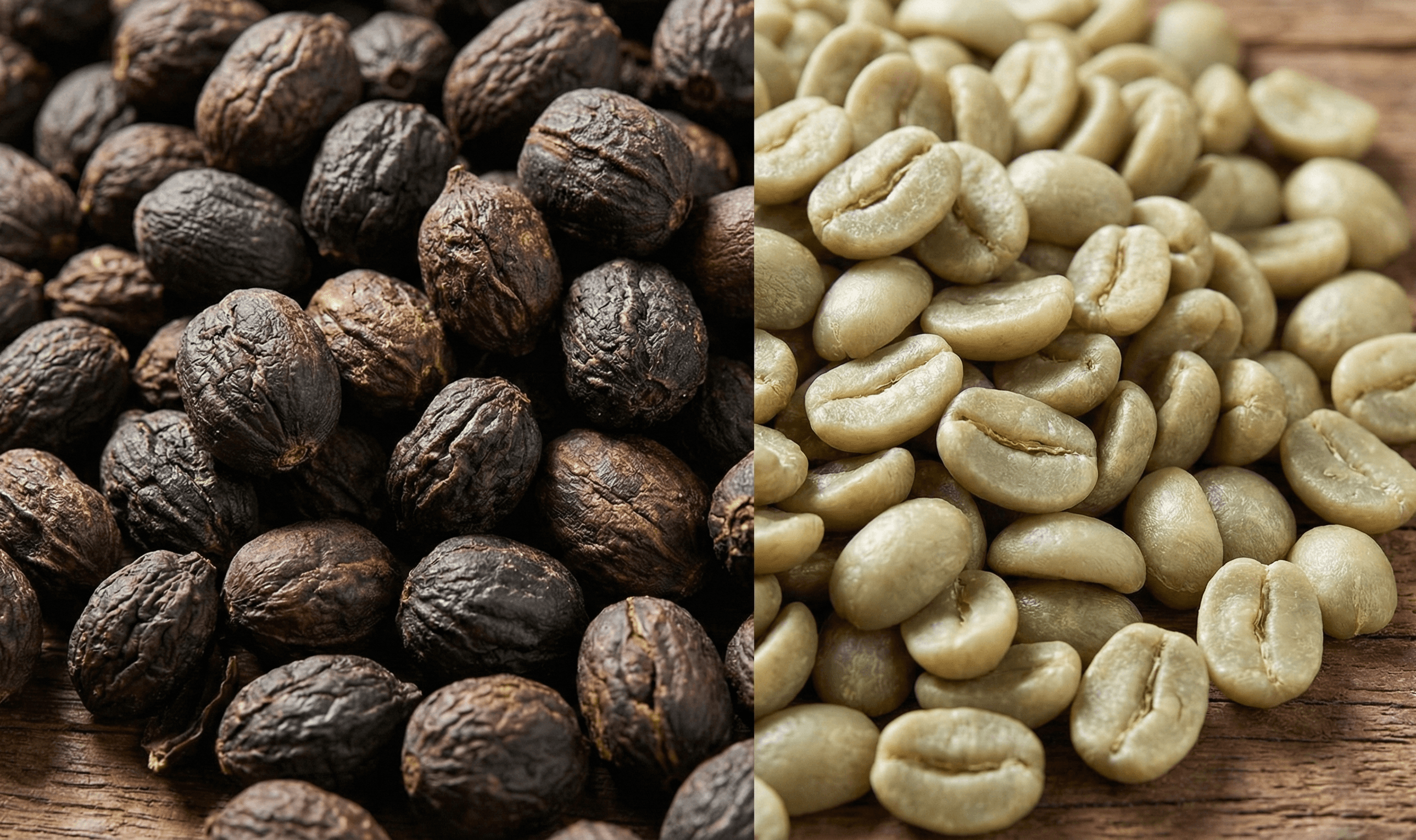
Two beans from the same farm, same altitude, same varietal—but processed differently—taste like completely different coffees. Washed vs. natural is coffee's most dramatic flavor divide. Understanding it transforms how you taste and appreciate coffee.
The Basic Difference
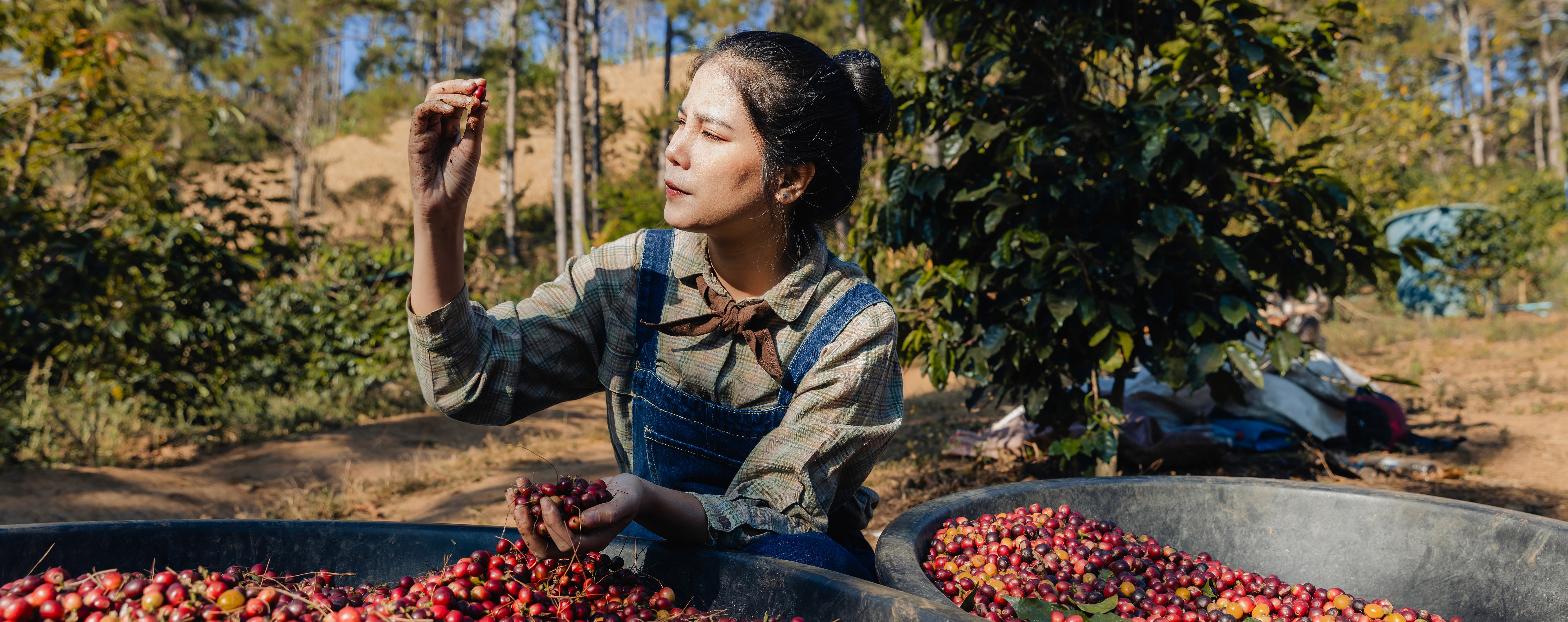
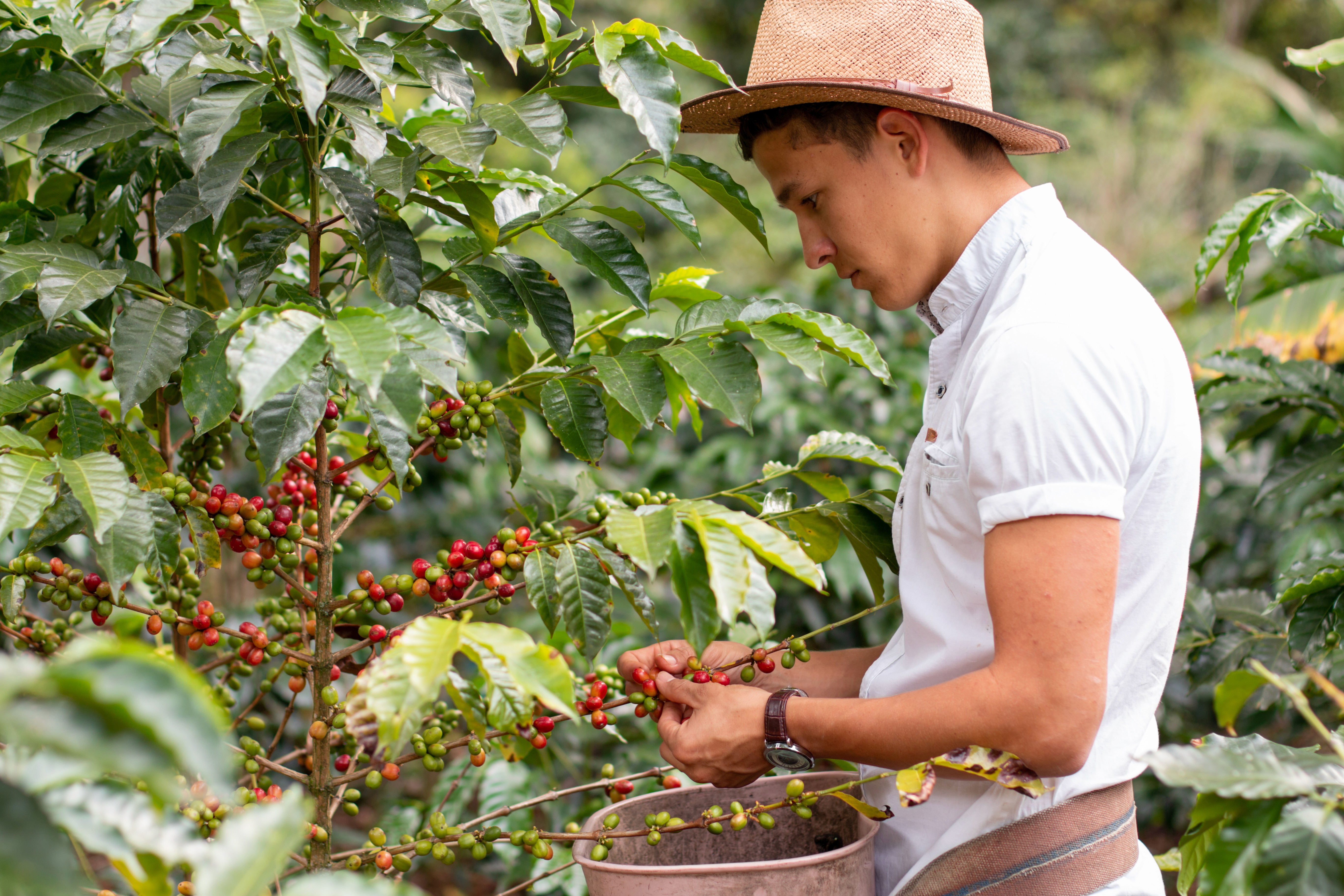
After cherries are picked, they need to be dried. The question is: how much fruit do you remove first?
Washed (Wet) Processing:
Remove the fruit immediately after picking
Ferment the sticky layer to break it down
Wash it away completely in water
Dry the clean bean
Natural (Dry) Processing:
Leave the entire cherry intact
Dry it whole in the sun for weeks
Once fully dry, crack it open and extract the bean
Everything—all the flavor differences—flows from this choice.
How Processing Shapes Flavor
Washed Coffee: Clarity & Brightness
The Profile: Citrus and floral notes pop clearly. Clean mouthfeel, almost tea-like. Higher acidity = bright, lively, refreshing. Flavor clarity where you taste the origin itself.
Why? Removing fruit layers exposes the bean. Water fermentation cleans away anything that might muddy flavor. Result: high clarity. You taste the bean's terroir directly—geography, altitude, varietal.
Who Should Try It:
You love bright, energetic mornings
You prefer floral, fruity, or citrus notes
You want to taste the coffee's origin story clearly
You enjoy tea-like coffees
Perfect Origins:
Ethiopian washed → berry, floral, jasmine, tea-like
Kenyan washed → citrus, blackcurrant, wine-like
Colombian washed → nutty, caramel, balanced, apple-like acidity
Natural Coffee: Intensity & Fruitiness
The Profile: Deep fruit flavors (berries, stone fruit, tropical notes). Fuller body. Lower acidity = sweeter, less brightness. Complex fermented flavors.
Why? Fruit ferments during drying, imparting sugars and wild flavors. The bean absorbs those flavors. Result: intense, layered, polarizing—people love or dislike natural coffees.
Who Should Try It:
You love bold, full-bodied coffees
You're adventurous about unusual flavor profiles
You like sweetness and don't need brightness
You enjoy wine-like or funky flavors
Perfect Origins:
Ethiopian natural → blueberry, herbal, fermented complexity, wild
Brazilian natural → chocolate, caramel, full body, heavy
Kenyan natural → ripe fruit, winey, intense sweetness, bold
The Honey Process: The Bridge Between
If you're caught between wanting clarity and body, honey-processed coffee splits the difference:
The Process:
Remove the skin
Leave some sticky mucilage
Dry with that mucilage attached
The mucilage ferments as it dries
The Flavor:
Balanced sweetness (more than washed, less than natural)
Stone fruit notes
Smooth body (heavier than washed, lighter than natural)
The Vibe: Friendly middle ground. If you're just starting to explore processing, honey-processed beans are forgiving and delicious.
How to Taste the Difference Yourself
The Comparison Tasting:
Pick two coffees—one washed, one natural (ideally from the same origin)
Brew them side-by-side using the same method, temperature, and timing
Compare color, smell, taste
Notice body, acidity, and specific flavors
Write it down: "Washed was brighter, more floral. Natural was fruitier, heavier."
Your palate develops vocabulary naturally through comparison. Recognition becomes second nature.
There's No "Better"—Only What You Love
The specialty coffee world sometimes treats processing like a hierarchy. Ignore that noise. Your palate is the only truth.
Some days you want clarity and lift of washed Ethiopian. Other days you crave bold fruitiness of natural Brazilian. The beauty of specialty coffee is having both.
Understanding processing opens up the entire coffee world to you. When choosing beans for pour-over, washed coffees shine (clarity emphasized). With French press, natural coffees' full body is glorious.
The Grano Approach
At Grano, we help you log these preferences to see patterns in what you actually love. Over time, you'll discover whether you're a washed-coffee person, a natural-coffee adventurer, or someone who loves it all depending on season and mood. That's the real education: discovering what genuinely delights you.